




Chicago’s Morning Answer host John Anthony, filling in for Dan Proft, welcomed retired Riverside Police Chief Thomas Weitzel, who spent 37 years with the department including 13 as its chief, to discuss public safety policy across Illinois. Weitzel, a survivor of a line-of-duty shooting and the father of three Illinois police officers, now serves as a law enforcement fellow with Wake Illinois and recently appeared on Laura Trump’s podcast to discuss crime trends in sanctuary cities and states.
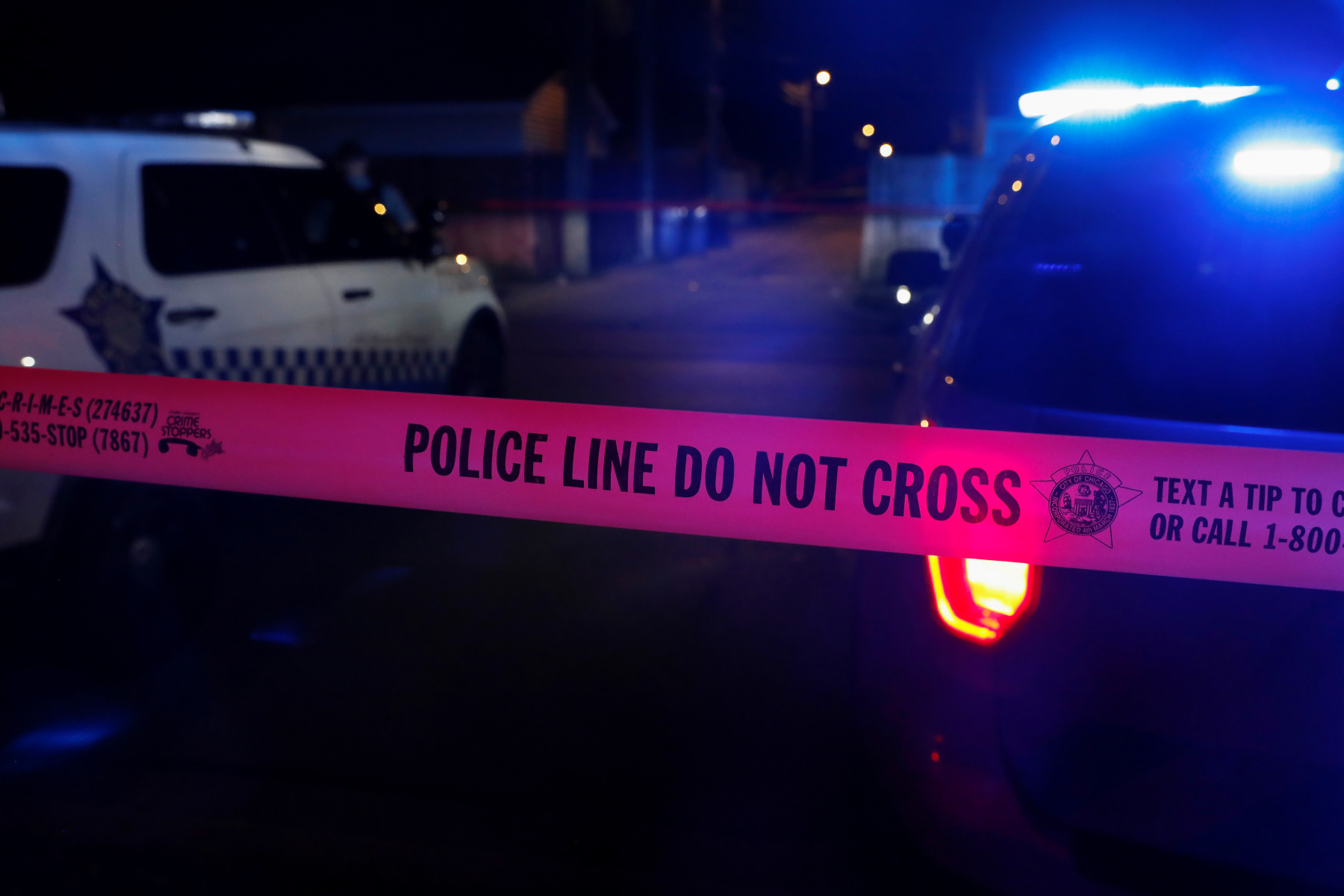
Much of the conversation centered on Chicago’s decision to discontinue its use of ShotSpotter gunshot detection technology under Mayor Brandon Johnson. Weitzel argued the tool was never intended to prevent shootings or reduce crime, but rather to alert police quickly enough to respond and potentially save lives. He pointed to documented cases compiled by the outlet CWB Chicago showing dozens of instances in which bodies were found in alleys, backyards, or on sidewalks with no corresponding 911 call, some involving victims who were still alive when eventually discovered. Addressing criticism that the system generated too many alerts without leading to arrests or confirmed evidence of gunfire, Weitzel argued that no policing tool operates with complete accuracy, and that the proper standard for judging ShotSpotter’s value is whether it gets officers moving toward a scene faster, not whether every alert results in a prosecutable case.
Weitzel also addressed Illinois’s sanctuary state policies and their effect on cooperation between local police and federal immigration authorities. He argued that allowing local, uniformed officers to conduct vehicle stops on behalf of ICE when agents have a legitimate detainer for a violent or dangerous individual would make such encounters safer for everyone involved, since the public is generally more likely to comply with a marked local patrol car than with plainclothes federal agents. He said Illinois currently prohibits that kind of assistance, a shift he attributed to political rather than practical or safety-driven considerations. Weitzel recalled that for most of his career, local departments routinely honored ICE detainers by holding individuals already in custody for up to 48 hours until federal agents arrived, a practice he said produced few if any of the confrontations now associated with immigration enforcement, since it avoided the foot chases and vehicle pursuits that can occur when suspects are approached in the field rather than while already detained.
Weitzel criticized what he described as inaccurate public narratives about ICE operations, echoing comments from a senior White House immigration official challenging claims that agents have conducted raids at schools, churches, or hospitals. He argued that local police public information offices are often constrained by messaging directed from elected officials rather than operating independently, and said that dynamic contributes to public confusion about how local and federal law enforcement actually cooperate.
Asked about the ongoing prosecution of Tyler Robinson in the killing of Charlie Kirk, Weitzel, who said he reviewed evidence presented at the preliminary hearing, described the evidentiary record as extremely strong and said it would have easily cleared the threshold for indictment in his own experience reviewing cases as a detective. He said he does not believe Robinson acted alone, though he declined to speculate on the specific role of any other individual named in public discussion of the case, saying his assessment is based strictly on the evidence presented rather than outside conjecture.