




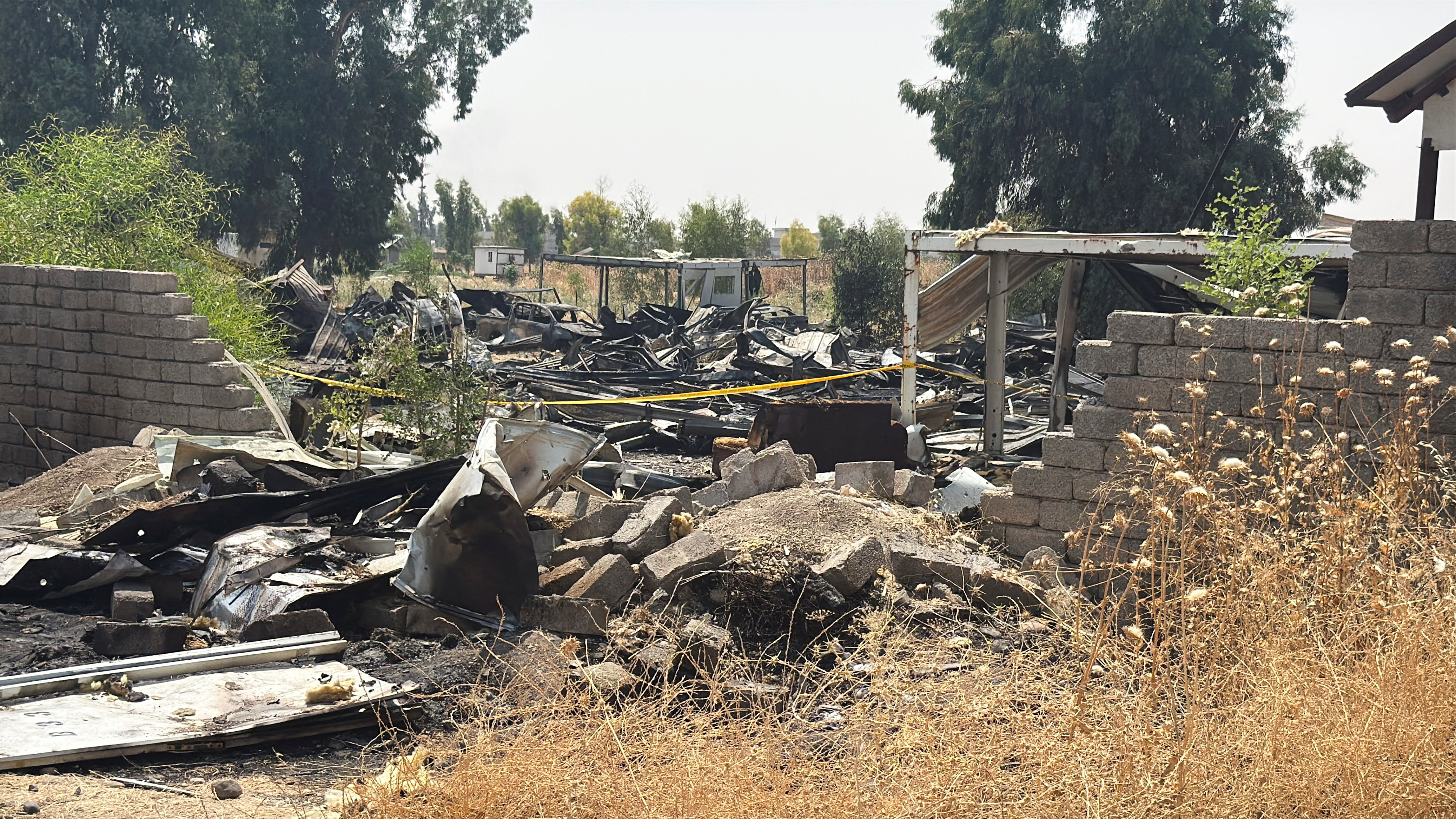
The US and Saudi Arabia launched strikes against Iranian-backed militias in Iraq, targeting bases belonging to the Popular Mobilization Forces, which Iraq’s paramilitary structure said killed at least 20 members. Dan Proft noted the strikes came shortly after U.S. Central Command reported that Iran had launched missiles targeting an American air base and command center in Jordan, all of which were successfully intercepted, alongside continued Houthi attacks against Saudi Arabia originating from Yemen. Proft also played comments from President Trump discussing the possibility of future strikes against Iran’s Pickaxe Mountain nuclear facility should negotiations fail, while questioning the credibility of any potential agreement with Tehran and expressing skepticism toward Trump’s suggestion that destroying the facility would be an easy undertaking, given it has not yet been targeted despite ongoing military operations.
Proft welcomed Kenneth Pollack, vice president for policy at the Middle East Institute, to assess the trajectory of the conflict. Pollack confirmed that the fighting has already become a genuinely regional conflict, and said the central uncertainty now is how far the confrontation ultimately escalates. He explained that neither the United States and its allies nor Iran appear to want continued fighting, but that no meaningful overlap exists between what each side is willing to accept, leaving President Trump with limited options: sustaining the current naval blockade in hopes it eventually forces Iranian concessions, making significant concessions himself, or pursuing major military escalation, none of which offer a clearly favorable path forward.
Pollack noted that Iran recently rejected an Omani-brokered proposal to divide control of the Strait of Hormuz, reflecting what he described as the regime’s pattern of extracting concessions through parallel negotiations with Gulf state allies and other regional players, behavior consistent with what Pollack characterized as decades of coercive tactics dating back to Iran’s original hostage crisis. He argued that Gulf allies are looking to the United States for a credible demonstration of resolve, though he expressed doubt that Pickaxe Mountain specifically represents the target regional partners most want addressed, suggesting they are more focused on a durable reopening of the strait than on any single facility.
Discussing the feasibility of retaking the strait by force, Pollack referenced an earlier, brief American effort known as Operation Freedom, which was called off after roughly a day due to Iranian counter-threats, and said sustaining such an operation over time presents significant challenges. He explained that Israel spent roughly a month and a half striking Islamic Revolutionary Guard Corps facilities and internal security infrastructure throughout Iran without sufficiently destabilizing the regime, arguing that air power alone struggles to inflict enough damage on personnel-based security forces to enable a genuine popular uprising. Pollack said a more effective approach would likely require pairing air power with ground forces, potentially including support for an Iranian civilian uprising similar to the American and NATO approach in Libya, though he cautioned that such an effort would likely result in substantial Iranian civilian casualties regardless of its outcome.
Pollack said he does not expect the conflict to reach resolution before the midterm elections, predicting the administration will likely continue incremental measures and occasional escalations without pursuing either major concessions or a decisive military campaign in the near term. He said continued talk of a possible negotiated deal likely serves multiple strategic purposes for the administration, both domestically and internationally, even as genuine prospects for a durable agreement with Iran’s current leadership remain limited.