




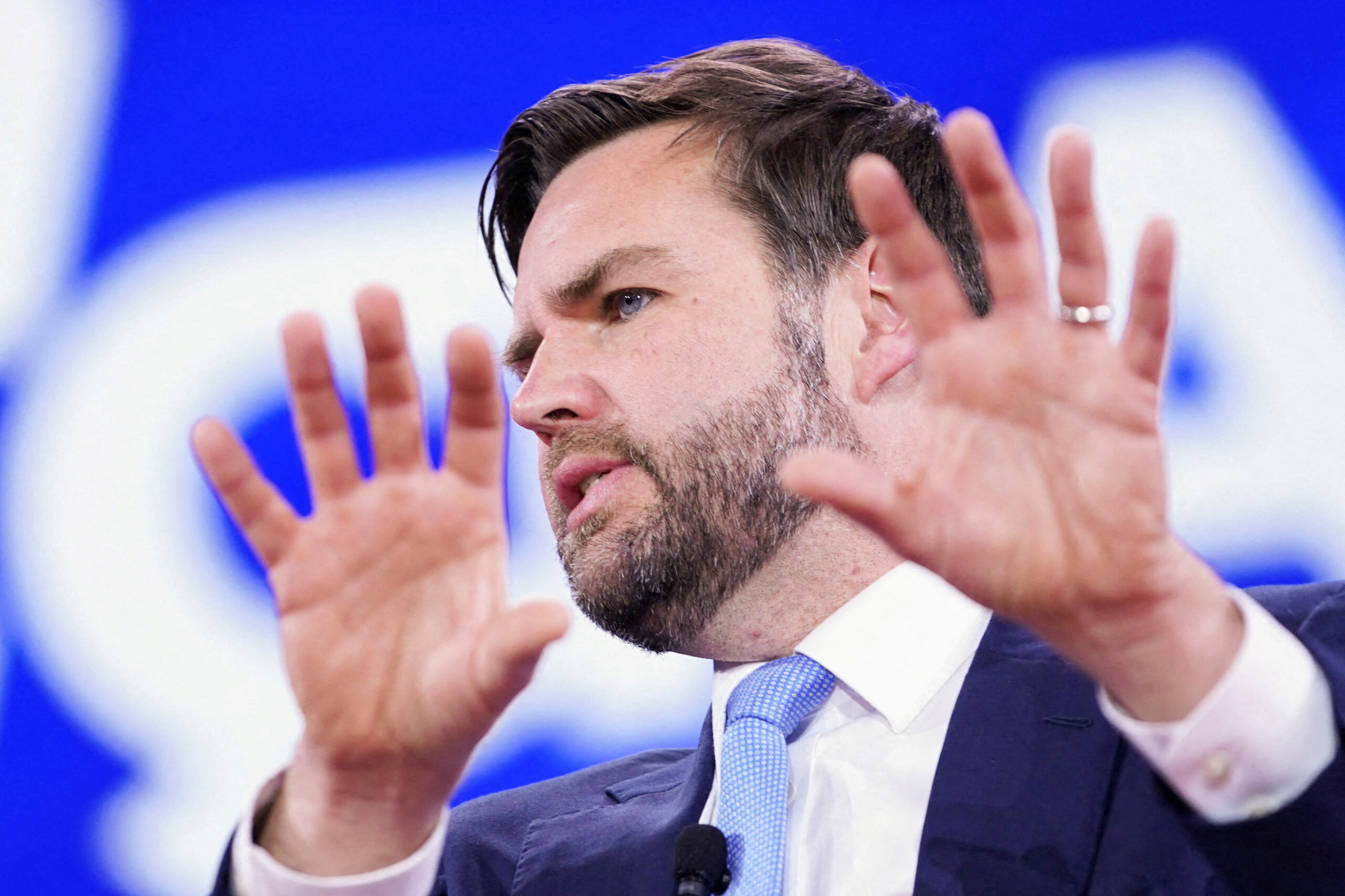
John Anthony, filling in for Dan Proft, welcomed Luke Nicastro, senior editor at The American Conservative and former national security adviser to Senator Josh Hawley, to discuss the emerging shape of the 2028 Republican presidential field and broader debates over American foreign policy. Anthony framed the conversation around growing speculation involving Vice President JD Vance, Secretary of State Marco Rubio, and other potential contenders, alongside an ongoing intellectual debate on the right concerning what Nicastro has previously written about as “third worldism.”
Nicastro explained that the term is generally used by its proponents to describe a worldview dividing global politics between wealthy, developed nations, including the United States, Europe, and Israel, characterized as oppressors, and the rest of the world, characterized as oppressed peoples entitled to resist that dominance. He said the framework draws some legitimate influence from academic anti-colonial and Marxist traditions, but expressed concern that it is increasingly used as an oversimplified label applied broadly to adversarial governments and domestic critics alike, including New York City Mayor Zohran Mamdani, in ways that risk generating counterproductive military interventions.
Discussing Cuba specifically, Nicastro pushed back against characterizations of the country as a major ongoing security threat, noting that while a recent State Department report highlighted historical Cuban intelligence penetration of American institutions, much of that material concerns Cold War-era activity. He argued that Cuba’s current government, struggling to maintain basic services and feed its population, is more focused on preserving its own hold on power than on meaningfully challenging American interests.
The conversation also addressed the U.S.-Israel relationship, with Nicastro arguing that criticism of Israeli government policy, including its conduct in Gaza, Lebanon, and Iran, is legitimate and reflects genuine, bipartisan public sentiment rather than simply antisemitism. He said the war’s origins involved significant Israeli influence on American decision-making that he views as ultimately damaging to U.S. interests, while emphasizing that such criticism should not extend to excusing or minimizing the October 7th attacks carried out by Hamas, which he described in personal terms after visiting affected communities in Israel. Nicastro argued that some of the political energy behind Mamdani and similar Democratic Socialists of America-aligned candidates draws on legitimate public frustration regarding Israel policy, even as he expressed skepticism toward the broader progressive economic agenda associated with those candidates.
Turning to the 2028 Republican field, Nicastro identified Vance and Rubio as the most likely early frontrunners, citing their current governmental positions and demonstrated records, while noting they represent meaningfully different directions for the party. He characterized Vance as more closely aligned with an America First, restraint-oriented foreign policy and a more populist economic approach open to government intervention in areas like corporate equity stakes and entitlement programs, in contrast to Rubio’s more traditionally interventionist foreign policy instincts, which Nicastro said align more closely with pre-Trump Republican orthodoxy.
Nicastro also discussed his prior work advising Senator Hawley, describing him as exceptionally well-informed and consistent in both public committee settings and private conversation, and outlined three competing ideological currents within today’s Republican Party: fusionism, associated with Senator Ted Cruz and rooted in the Reagan-era blending of strong foreign policy, free-market economics, and traditional social values; populism, embodied by Hawley and reflecting the direction Nicastro said President Trump has pushed the party; and libertarianism, represented by Senator Rand Paul, which Nicastro said remains a persistent, if not dominant, undercurrent within the broader conservative coalition, particularly on issues like gun rights and skepticism toward foreign intervention.