




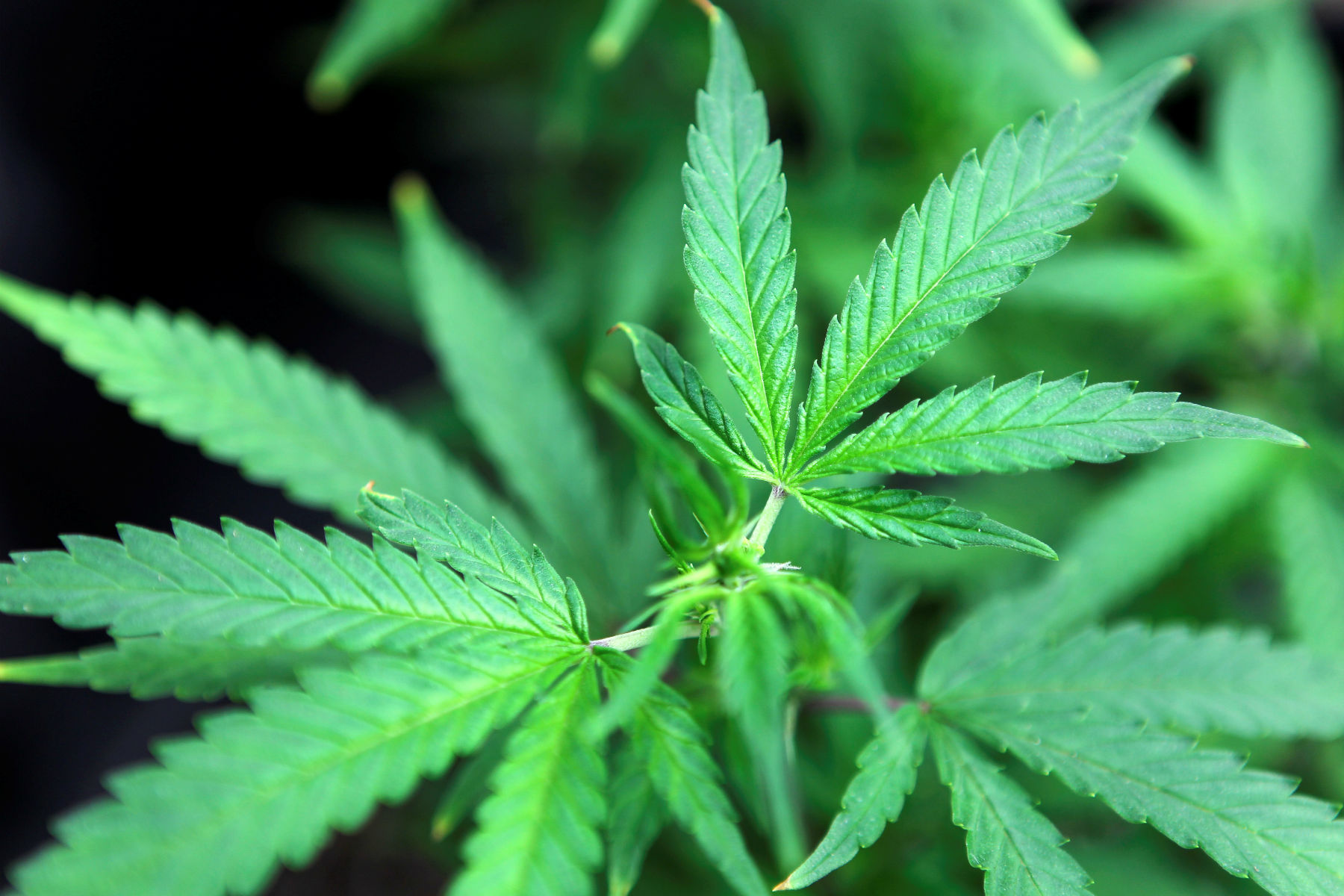
Marijuana products sold in dispensaries bear little resemblance to the cannabis used by previous generations, according to drug policy expert Kevin Sabet, who warned that rising potency and commercial legalization are contributing to addiction, mental illness and other serious health problems.
Sabet, CEO of Smart Approaches to Marijuana and a former drug policy adviser in the Clinton, George W. Bush and Obama administrations, discussed the changing marijuana market during an interview with Dan Proft on Chicago’s Morning Answer.
While marijuana available several decades ago typically contained THC levels in the low single digits, Sabet said some concentrates and vaping products now approach 100 percent THC. THC is the psychoactive component of cannabis responsible for producing a high.
Sabet described the modern marijuana market as a fundamentally different environment from the one many voters and policymakers may remember. He argued that producers have deliberately developed stronger products while building a commercial industry that depends heavily on frequent consumers.
Daily marijuana use has risen dramatically, with the number of Americans using cannabis every day or nearly every day now surpassing the number who consume alcohol at that frequency. Sabet said the growth is especially troubling because marijuana use can develop into a substance-use disorder characterized by cravings, tolerance and difficulty reducing consumption.
The health risks are particularly serious for adolescents, whose brains are still developing. Research has associated frequent marijuana use during adolescence with problems involving memory, learning and academic performance. Sabet also pointed to studies linking regular use to lasting reductions in IQ, although the size and permanence of those effects remain subjects of scientific debate.
Mental health was a central focus of the conversation. Sabet said high-potency marijuana can increase the risk of psychosis, particularly among young people and those who are already vulnerable to psychiatric disorders. A psychotic episode can involve a profound loss of contact with reality and, in some cases, may precede a longer-term illness such as schizophrenia.
Marijuana is also frequently marketed as a way to cope with anxiety, but Sabet said repeated use can make anxiety and mood disorders worse for some consumers. He argued that public discussion has not kept pace with the evidence emerging about those risks.
Other reported health effects include cardiovascular and respiratory problems, impaired driving and cannabis hyperemesis syndrome, a condition involving recurring bouts of severe nausea and vomiting. The condition is most often associated with prolonged, frequent cannabis use and can result in emergency medical treatment.
Sabet also disputed the assumption that consumers will simply use smaller amounts as marijuana becomes stronger. Addiction, he said, does not operate according to rational calculations about potency. Instead, frequent exposure can create tolerance and reinforce the desire to continue using a drug despite harmful consequences.
The effects may also last longer than consumers realize. Sabet cited driving and simulation research suggesting that some impairment can persist after the user no longer feels acutely intoxicated. Unlike opioid addiction, cannabis-use disorder currently has no federally approved medication specifically designed to help people stop using the drug.
Supporters of legalization have often argued that a regulated market would weaken illegal sellers and reduce crime. Sabet contended that illicit marijuana markets have remained active in states with legal sales because unlicensed dealers can avoid taxes and sell products at lower prices. He also raised concerns about impaired driving and crime near some dispensaries.
Sabet said public attitudes may be shifting as voters gain more experience with commercial marijuana markets. Several recent legalization proposals have been rejected by voters, while some residents in states with legal cannabis have pursued measures aimed at rolling back retail sales.
He distinguished between declining to prosecute occasional private users and allowing widespread commercialization. Sabet said policymakers could reduce some of the dangers through limits on THC potency, prominent warning labels, advertising restrictions and tighter controls on dispensary locations, particularly near places frequented by children.
The marijuana industry has resisted many such restrictions, he said, creating a political environment similar to earlier battles involving tobacco, alcohol and pharmaceutical companies. In Sabet’s view, the central question is no longer whether individual users should be arrested, but whether states should permit corporations to promote increasingly powerful products for profit.
Sabet also rejected the idea that opposition to dispensaries means rejecting all medical research involving cannabis compounds. If a marijuana-derived substance proves effective as a treatment, he said, it should be tested, approved and distributed through the same medical and regulatory systems used for other medications.
The broader risks of marijuana commercialization are examined in Sabet’s documentary “THC, Inc.,” which explores the industry’s growth and the consequences of increasingly potent cannabis products.