




President Trump authorized retaliatory strikes on twenty Iranian targets following the downing of an American Apache helicopter by an Iranian Shahed drone, hitting air defense systems, radars, and sites at multiple locations including Qeshm Island, Bushehr, Hamadan, Bandar Abbas, and Sirik. Trump described the strikes as necessary, praised the drone-assisted rescue of the two pilots as an amazing use of American military technology, and revealed publicly that American forces have been quietly removing millions of barrels of Iranian oil through the strait during the blockade, something he suggested Iran did not know about until he said it, though the Wall Street Journal and multiple analysts had already reported on the shadow operation.
Jonathan Schanzer, executive director of the Foundation for Defense of Democracies, joined Dan Proft on Chicago’s Morning Answer to assess the messaging, the strategy, and what needs to happen next.
Schanzer said the emphasis on the response being proportional is itself the problem. When the United States announces that its response is proportional, it is communicating to Iran and to the world that the primary goal is to keep them at the negotiating table rather than to force their submission. The correct framing, he said, is not proportionality but victory. Iran is weaker now than it was at the start of the campaign. Its military has been hammered, its top leadership decimated, its oil exports strangled by the blockade, and the economic losses are compounding toward the point where they will have to cap their wells and face billions in daily losses rather than tens or hundreds of millions. In that environment, the United States has the ability to keep striking targets of its choosing without justification or explanation, because the goal is capitulation, not conversation. The messaging has been off enough to generate legitimate confusion about whether the administration understands what it is trying to achieve.
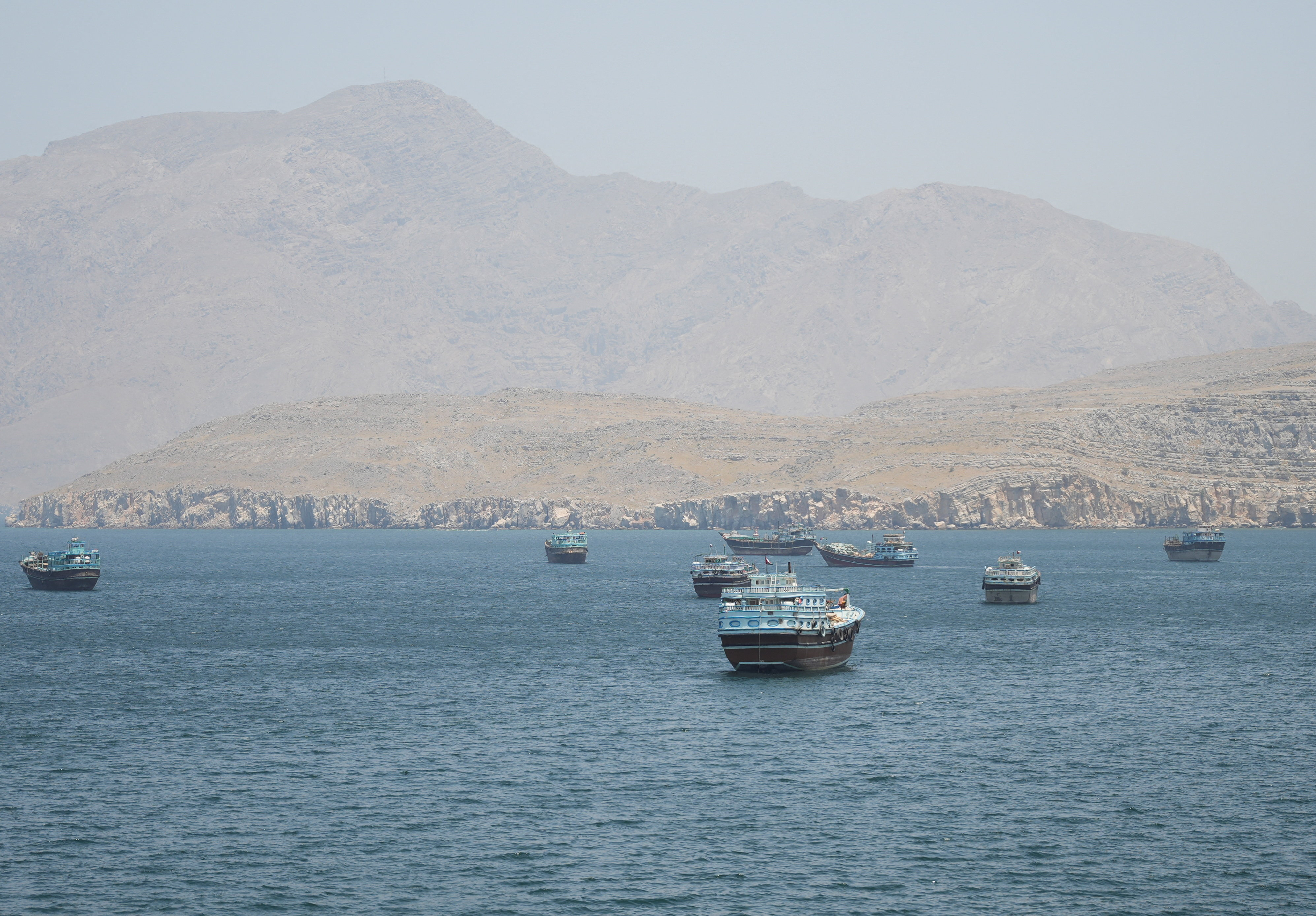
On the question of why the administration has not simply used force to open the strait and present Iran with a binary choice of coexisting peacefully under a regime of open international shipping or ceasing to exist as a governing structure, Schanzer said the honest answer probably involves the boots-on-the-ground question. Declaring the strait open from the air and sea is one thing, but the mountainous terrain flanking the waterway means IRGC fighters could emerge from concealed positions with shoulder-fired missiles and create exactly the kind of asymmetric attritional warfare that turned Iraq and Afghanistan into trillion-dollar disasters. The president likely understands that winning is the right outcome but is genuinely uncertain about what securing that win requires and what risks it carries, and that uncertainty is producing the narrow lane navigation that critics find maddening.
On handing regional enforcement responsibility to Gulf State partners after any deal, Schanzer said the critical distinction is which Gulf partners. Handing anything to Qatar would be a disaster. Qatar is a patron of Hamas, the Taliban, and the Muslim Brotherhood and has sheltered al-Qaeda and ISIS. The more reliable actors are the UAE, which has already conducted independent strikes inside Iran and has Israeli soldiers on its soil helping defend against Iranian attack. Responsible post-deal enforcement requires responsible actors.
On Cuba, Schanzer said the administration’s posture is complete and total hostility, with the economic siege model already in operation. Cuba is not getting the Venezuelan oil it previously relied on, is in deep economic trouble, and faces political instability as a consequence. He said the Trump administration is essentially keeping a lid on that pot and waiting for the moment when assets are freed up from the Middle East to move to the next phase. He said he would not be surprised if there are military capabilities in Cuba that have not yet been publicly disclosed, but said American firepower is likely overwhelming regardless. His read is that the sequencing is Iran first, then Cuba, and that the broad assertion of American power across multiple hemispheres is a meaningful prelude to what he called the defining competition of the next fifty years with China.
On the broader strategic picture, Schanzer said the run of conservative victories across Latin America is producing more reliable regional allies than the United States has had in a long time, which matters for the great power competition with China and Russia in the western hemisphere specifically. He said a decisive win in Iran would go a long way toward demonstrating that the Middle East is within the American sphere of influence, which carries implications for how China calculates risk in its own sphere. He said AI is a central element of great power competition going forward, that territory and spheres of influence remain the fundamental contest, and that Americans are slowly waking up to the reality that this competition will define the coming half century in ways the short-term Iran negotiations do not fully capture.