




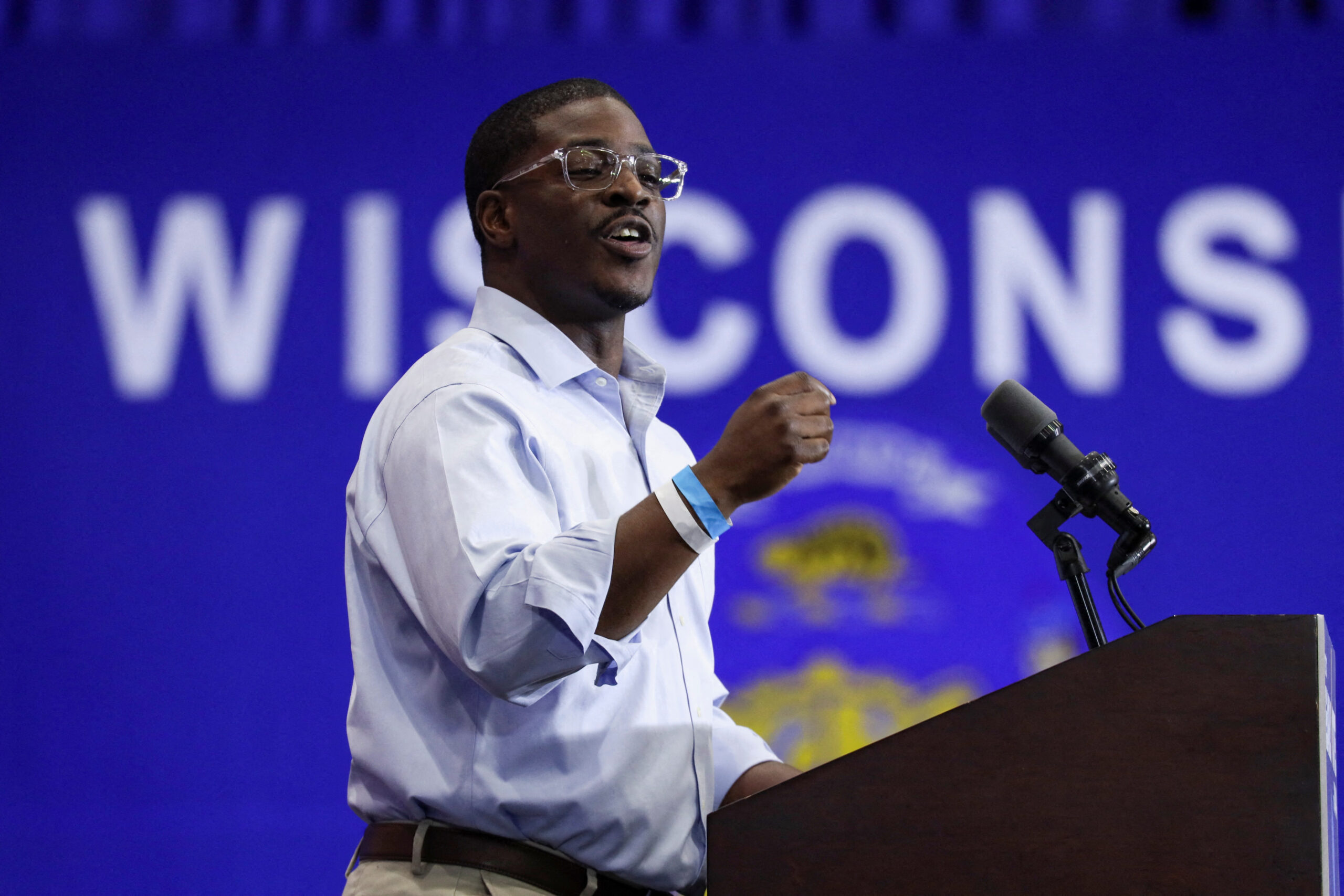
All eyes are on the Wisconsin Democratic gubernatorial primary, where Democratic Socialists of America-aligned candidate Franchesca Hong appeared to narrowly lose to Milwaukee County Executive David Crowley by 3,279 votes. Dan Proft compared the race to the recent Michigan Senate primary, in which Abdul El-Sayed held off a late surge from Haley Stevens, noting that in both contests candidates with DSA backing saw their polling leads narrow considerably in the campaign’s final stretch amid concerns among rank-and-file Democratic primary voters about general-election viability.
Crowley made a closing appeal focused on pragmatism and warning Wisconsin voters were wary of socialism. Hong had been defending her past support for defunding the police in an interview, in which she referenced the shooting of Jacob Blake and the death of Corey Ruiz in Madison. Blake survived the shooting and no officers have been charged in either case. CNN reported that more than 100 of El-Sayed’s YouTube videos had recently been made private, including past comments questioning Fourth of July fireworks over environmental and veteran health concerns, floating a constitutional right to healthcare in place of the right to bear arms, and criticizing Republican focus on border security.
Proft was joined by Scott McKay, publisher of The Hayride and senior editor at The American Spectator, who also has a new novel, The Necessary Men. McKay said he was disappointed by Hong’s apparent loss and pointed to reports of irregularities at Milwaukee County election offices, where officials said early Wednesday that results had not been properly downloaded from several voting machines due to what they described as human error. McKay suggested the episode illustrated how DSA-aligned candidates may come to view the broader Democratic establishment.
The two discussed whether Tuesday’s results represented a meaningful setback for the DSA movement within the Democratic Party. McKay argued it did not, saying the movement will continue to grow but remains hampered by low turnout in the primaries where it has had success and by candidates he described as lacking practical experience, contrasting El-Sayed’s résumé with what he characterized as thinner backgrounds among other DSA-aligned candidates, including New York’s Zohran Mamdani. McKay also referenced comments by Alexandria Ocasio-Cortez confirming her continued membership in her local DSA chapter, and cited local New York DSA figures’ response to questions about proposed tax rates on high earners.
Proft raised a recent essay by former Liberal Patriot writer Michael Baharaeen, arguing Democrats need a clearer prosecution of what specifically went wrong with the party’s more progressive positions in recent years. McKay agreed but argued that current DSA platform positions, including opposition to the Senate, presidency and Supreme Court as currently structured, represent a more extreme version of the same politics.
Asked what Republicans should do to counter the appeal of DSA-aligned candidates beyond passing the Save America Act, McKay proposed allowing student loan debt to be discharged through bankruptcy, arguing the policy would undercut a key grievance driving younger voters toward socialist candidates without amounting to blanket loan forgiveness. He argued the proposal would put pressure on university administrators and take away a talking point from DSA-aligned campaigns, while acknowledging bankruptcy would carry its own consequences for borrowers.
McKay closed by pointing listeners to The American Spectator’s website, where the first installment of his new novel, The Necessary Men, about a fictional invasion of Cuba, was being serialized.