




Rep. Alexandria Ocasio-Cortez has rejoined the Democratic Socialists of America as a dues-paying member after letting her membership lapse. Dan Proft believes she is shoring up support within the party’s activist base ahead of a possible presidential run. Proft also took aim at the DSA’s broader orbit, including its most prominent online personality, Twitch streamer Hasan Piker, whose commentary Proft criticized as inflammatory and anti-Semitic, pointing to Michigan Rep. Debbie Dingle’s recent public statement that she is simply done answering reporters’ questions about him. Proft played a portion of one of Piker’s economic explainers, a bread-production thought experiment meant to illustrate exploitation of undocumented workers, which Proft mocked as simplistic even as it draws a large online audience.
Proft turned to Michael Baharaeen, editor-in-chief of the new outlet The Long View and formerly of the Liberal Patriot, to discuss the DSA’s rising influence inside the Democratic Party. Baharaeen said he shares Dingle’s fatigue with the Piker conversation but argued Democrats largely brought it on themselves, having courted figures like him after the 2024 loss to Trump in an effort to expand the party’s coalition, only to watch him become a fixture on shows like Pod Save America before backlash set in over his views. He said many in the party are now regretting that embrace but are stuck dealing with the fallout.
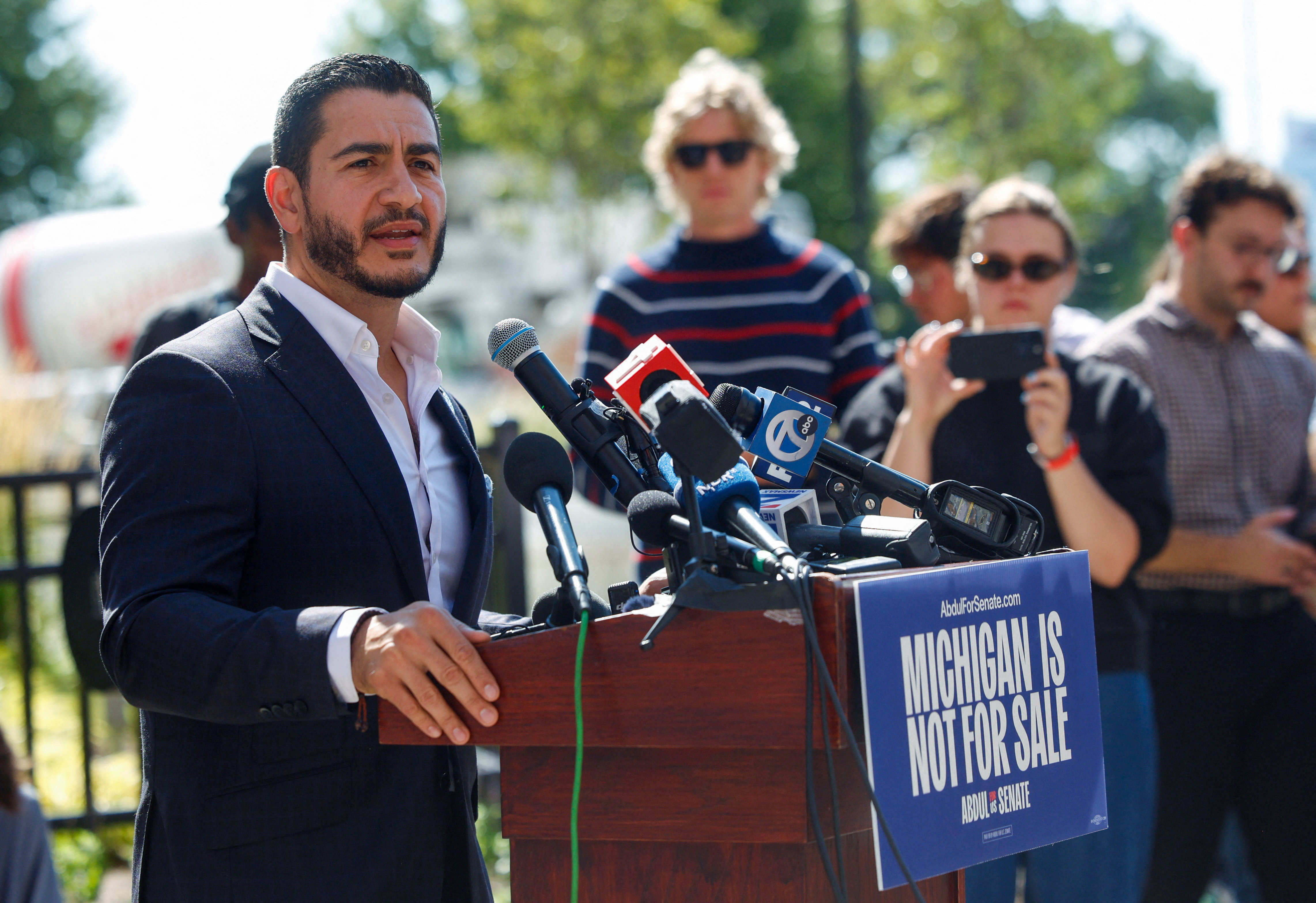
The conversation turned to Michigan, where Baharaeen said control of the Senate could hinge on the general election matchup between Republican Mike Rogers and Democratic nominee Abdul El-Sayed, a DSA-aligned candidate who narrowly defeated Haley Stevens in the primary. Baharaeen said El-Sayed will face a barrage of advertising tying him to Piker, the DSA platform and his more doctrinaire positions, and said primary results showed a warning sign for the general election: El-Sayed underperformed in heavily Black, working-class counties while overperforming in whiter, more affluent college towns, the inverse of the coalition he will likely need to win a state like Michigan. Even so, Baharaeen said he considers El-Sayed a slight favorite given the broader national environment, while acknowledging his own choices are making that path harder than it needs to be.
Asked whether the Democratic Party has effectively become a DSA party or is simply tolerating the group for short-term political gain, Baharaeen said he is not yet ready to call it the former, arguing that the party’s establishment has grown more uniformly progressive over time even if many of its leaders privately recoil at some of the DSA’s rhetoric. He said the party’s overriding focus on regaining power has led it to accept help from nearly anyone willing to run under its banner, even as its shrinking moderate wing leaves fewer internal checks on the ascendant left. He pointed to similar dynamics playing out with other candidates trying to soften their public image in swing states, citing Ohio’s gubernatorial race as another example.
On the broader midterm picture, Baharaeen said both parties will likely try to define the other by its least popular figures, and that Republicans face a tougher national environment given Trump’s approval numbers and continued frustration over the economy and the war in Iran. He noted that Democrats managed to hold competitive races even in the unfavorable 2022 midterm cycle by successfully branding certain Republican opponents as extreme, suggesting a similar template could apply in states like Michigan. On the House, Baharaeen estimated Democrats would need to win the national popular vote by four to five points to flip the chamber, and said recent generic-ballot polling showing Democrats ahead by roughly six points suggests they are currently positioned to do so, though redistricting this year has shrunk the number of genuinely competitive seats, meaning any Democratic majority would likely be narrow, in the range of ten to fifteen seats.