




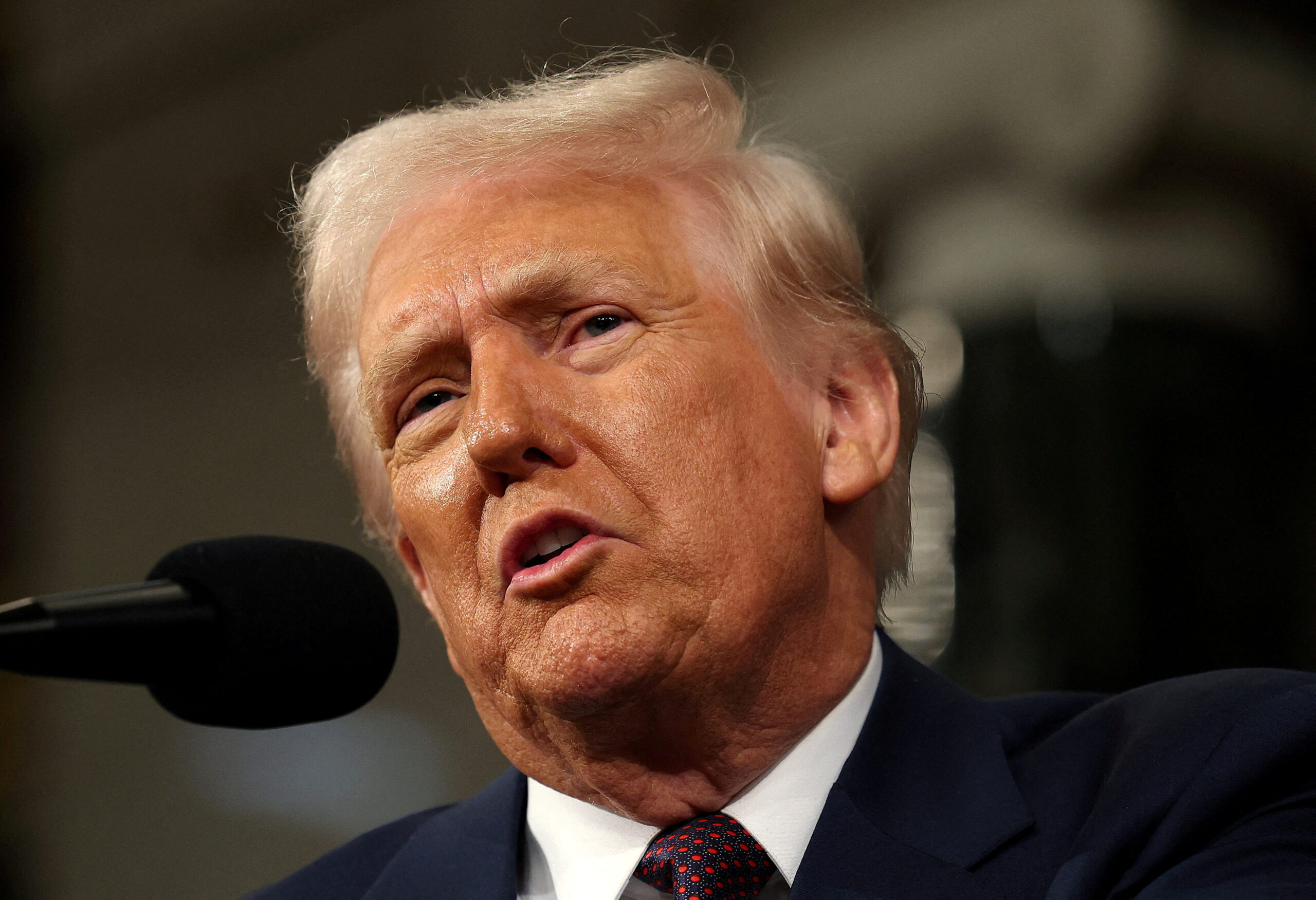
In the aftermath of shots fired at the White House Correspondents’ Dinner on Saturday night, Dan Proft interviewed retired Secret Service agent Mike Olson, co-founder of 360 Security Services, to assess both the response and lingering questions about preparation. President Trump praised the Secret Service agents for their actions during the incident, noting they directed him and the First Lady to take cover.
While the on-scene response drew commendation, including from critics like Bill Melugin, who acknowledged heroic performance under pressure, significant concerns remain about pre-event security planning. The shooter, who described himself in a manifesto as the “friendly federal assassin,” managed to approach the ballroom area with minimal screening, prompting questions about how someone could enter with weapons despite the high-profile gathering that included the President and multiple cabinet secretaries.
Olson, who has extensive experience securing events at the Washington Hilton, explained the unique challenges of protecting a live hotel venue that continues operating as a business. Unlike a National Special Security Event, which provides additional resources and authority for broader venue control, this gathering operated under standard protocols. Layers of security were implemented for protected officials, but attendees and others in the hotel faced less stringent measures. Olson noted that technical sweeps and postings likely occurred, though many guests may not have observed them in a “soft” environment.
He suggested that, given recent assassination attempts and the current threat environment—including tensions with Iran—event planners should have seriously considered elevating security to National Special Security Event status. This would have allowed for expanded resources and tighter controls well in advance. Olson also addressed intelligence concerns. The Secret Service maintains a strong protective intelligence program that relies on local and state law enforcement to report threats. Any prior warnings about the shooter from family members or Connecticut police should be a central focus of the after-action review, including whether that information reached the right teams and prompted adjustments.
Regarding criticism of agents’ marksmanship after the shooter fired multiple rounds before being engaged, Olson emphasized that every round fired by law enforcement is accountable. He pointed out additional uniformed officers visible in the video who appeared to engage, urging viewers to consider the full context, background risks, and split-second decisions involved. The interview highlighted a recurring theme: while individual agents continue to perform professionally despite challenges like delayed funding, systemic issues in planning, resources, and intelligence integration deserve close examination. Past incidents, including Butler and West Palm Beach, underscore the need for reforms.
Olson’s insights reinforce that protecting the nation’s leaders in an era of heightened political violence requires constant adaptation. Swift response is commendable, but preventing the next threat demands rigorous preparation and accountability at every level.