




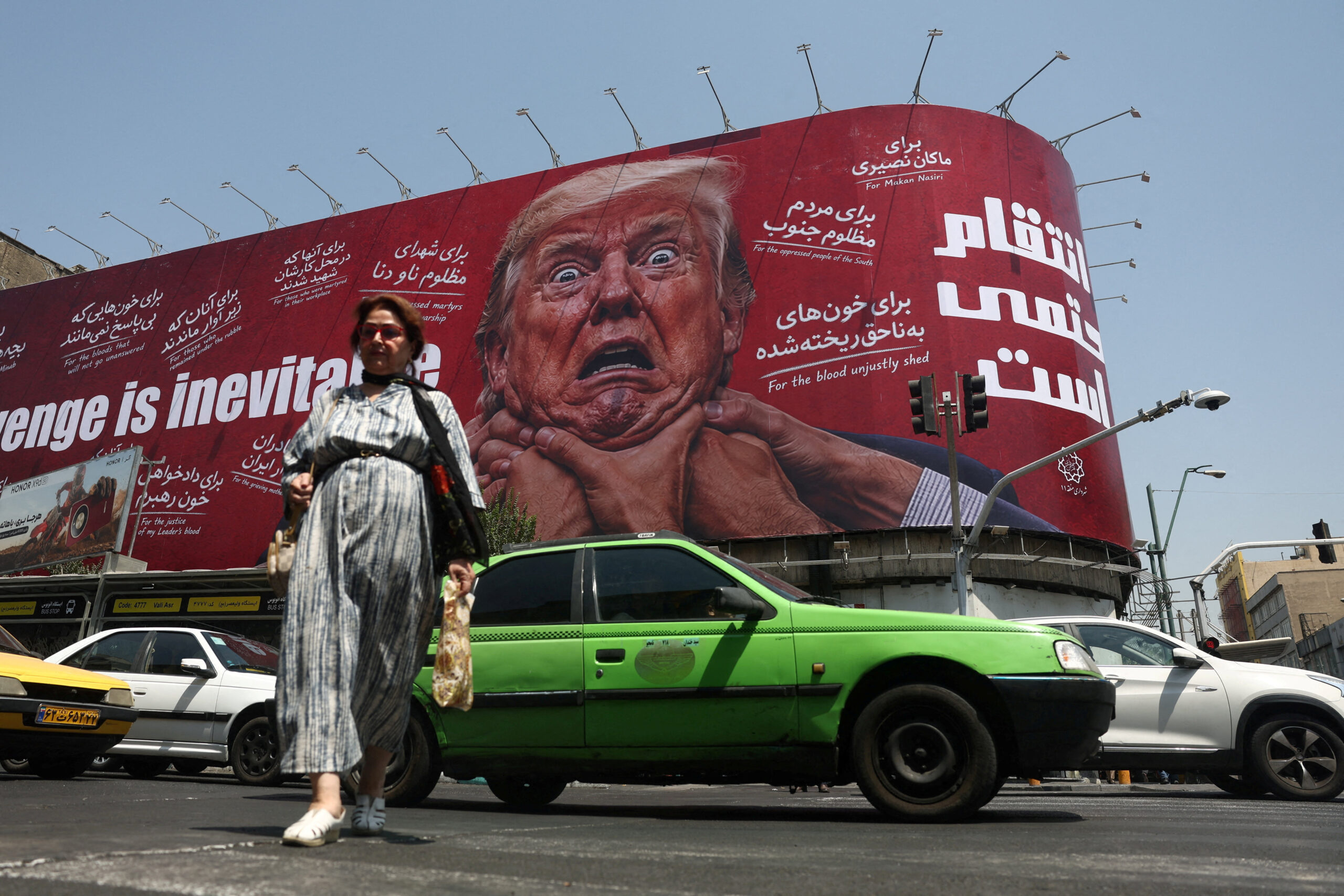
In the middle of a three-day pause in American airstrikes against Iran following nearly two weeks of continuous bombing, President Trump indicated ongoing communication with Iranian officials while emphasizing the United States remains prepared to escalate further if necessary. Dan Proft also played an extended floor speech from Montana Senator Tim Sheehy, a Republican and former special forces member, who forcefully rejected Democratic characterizations of the conflict as a discretionary war. Sheehy argued that the current fight stems from 47 years of Iranian-sponsored violence against American interests and allies, citing historical attacks including the 1983 Beirut barracks bombing and the USS Cole attack, and argued that the regime’s ideological hostility extends well beyond the Middle East and threatens Americans broadly. Sheehy also criticized elected officials he said were undermining troops currently deployed by publicly questioning the war’s objectives.
Proft welcomed Steven Bucci, a retired Army Special Forces officer, former senior Pentagon official, and visiting fellow at the Heritage Foundation’s Allison Center for Foreign Policy Studies, to respond to Sheehy’s remarks and assess the significance of the pause in operations. Bucci said he found Sheehy’s remarks credible given his military background, and expressed support for a brief operational pause if it reflects a deliberate effort to recalibrate targeting and resupply munitions, while cautioning that any pause based on genuine hope for good-faith Iranian negotiation would reflect unwarranted optimism given the regime’s track record.
Bucci also addressed recent Wall Street Journal reporting indicating that senior Trump administration officials have been warned by intelligence agencies of potential Iranian assassination threats on American soil, including advice to avoid using car services. Bucci said such threats, if realized, would likely provoke a severe American response, noting that Iran’s Islamic Revolutionary Guard Corps has a documented history of attempting assassinations within the United States.
Asked how he would advise the administration to proceed, Bucci argued for expanding the target list beyond shipping lanes near the Strait of Hormuz to include broader infrastructure supporting the Revolutionary Guard’s ability to project force internationally and repress its own population. Regarding the contested nuclear facility known as Pickaxe Mountain, Bucci expressed skepticism that ground operations to secure or disable the deeply buried site are currently feasible without first securing a permissive political environment inside Iran, suggesting sustained bombardment remains the more realistic option for now. He was more optimistic about the feasibility of seizing or isolating Qeshm Island, arguing its separation from the Iranian mainland would allow American air and naval assets to secure the location with substantially less risk than an operation targeting the interior of the country.
Bucci addressed the debate over whether the conflict constitutes a war of choice, arguing that even limited progress delaying Iran’s nuclear ambitions and degrading its military-industrial capacity justifies the cost of continued operations, and expressed confidence that regional neighbors share the administration’s assessment of the regime as a significant ongoing threat. Discussing the sustainability of the current naval blockade, Bucci cited U.S. Central Command reporting that a dozen commercial vessels attempting to breach the blockade were redirected, with several disabled or boarded to ensure compliance, and said he believes the blockade could be sustained for an extended period without significant American losses, though he emphasized the ultimate goal remains removing the underlying threat rather than indefinitely maintaining the current posture.