




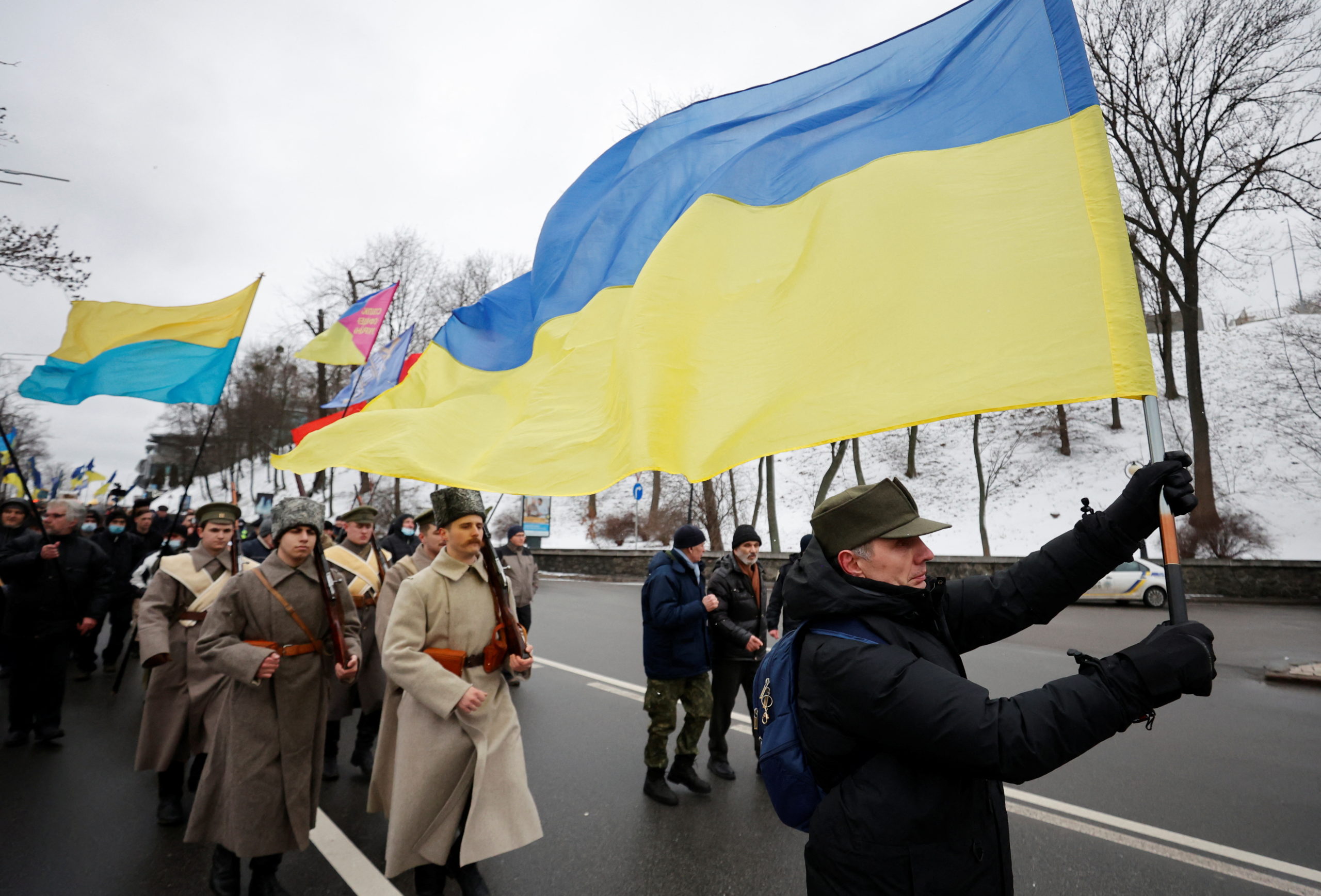
Mark Glennon, founder of Wirepoints, took a break from his usual beat of Illinois fiscal policy to travel to western Ukraine and report firsthand on conditions on the ground, joining Chicago’s Morning Answer by phone from Poland on his way back. What he found contradicts much of the American media narrative about the state of the war and the disposition of the Ukrainian people.
Glennon said Lviv and the western part of the country looked largely normal, with residents making a visible effort to keep economic and civic life functioning. Some parts of the countryside show signs of strain, as one would expect after more than three years of war, but the western region has been spared the devastation of the front. The front itself, he said, tells a very different story than the American press has been covering, because Ukraine has effectively fought Russia to a standstill for at least a year and by multiple credible measures is now gaining the upper hand.
The casualty figures he cited are staggering. Russia has absorbed an estimated 1.3 million total casualties including approximately 500,000 dead. Ukrainian losses are harder to confirm because Kyiv does not release official numbers, but the highest credible estimates he has seen put Ukrainian dead at approximately 200,000, with 15,000 confirmed civilian deaths from ongoing Russian strikes. He said the most telling commentary on Russia’s position comes not from Ukrainian sources or Western media but from prominent Russian voices, including ultra-nationalist commentators who have been enthusiastic supporters of the war and who are now saying the war is lost. The head of the Communist Party faction in the Duma said last week that Russia faces a 1917-style revolution if the trajectory of the war and the economy does not change. A joke that circulates repeatedly in Ukraine captures the sentiment: at the start of the war, Ukrainians were told they could never defeat the second-best army in the world. Today, they say, they are fighting the second-best army in Ukraine.
On the question of Ukrainian will to fight, Glennon said he made a point of asking ordinary people directly, specifically because critics of continued support for Ukraine argue that the population is exhausted and that the war effort reflects Zelensky’s ambitions more than the people’s. His assessment from those conversations and from polling data showing roughly two-thirds of Ukrainians willing to fight to a satisfactory conclusion is that the will is real and deep. He said people looked him in the eye and said they would fight to the end rather than return to Russian rule. He said this is not surprising given that Ukrainians know their own history, including the Soviet-imposed famine that killed millions of them in the 1930s. He also noted that approximately one and a half million of the four million ethnic Russians who were living in Ukraine before the war have since relocated to Russia, meaning the two-thirds figure for continued resistance comes from a population that has already been partially filtered toward those with stronger pro-Ukrainian sentiment.
On Zelensky specifically, Glennon was careful to separate his assessment of the Ukrainian president from his assessment of Ukraine as a country. He said the most recent corruption scandal involving Zelensky’s second in command is legitimate cause for concern and that Zelensky has been accused with some validity of tolerating corruption and pulling back from some anti-corruption measures. Nine people have already been indicted in the current scandal. But he said the anti-corruption fight is essentially a second war for Ukrainians, rooted in the same popular sentiment that produced the 2014 Maidan revolution against the previous pro-Russian president. He said the most likely successors to Zelensky, military figures Zaluzhny and Budanov, are seen as having stronger anti-corruption credentials and would continue the war effort.
He raised concerns about Trump’s decision to support Viktor Orbán, who was the primary obstacle within the European Union to passing the 110-billion-euro aid package the Europeans ultimately allocated. He said he simply cannot make strategic sense of simultaneously trying to shift the war’s financial burden to the Europeans while also backing the one European leader most determined to block European aid. He said Ukrainian and broader Eastern European attitudes toward Trump are correspondingly cold, with Trump’s approval ratings in the twenties across Hungary, Poland, Slovakia, and the Czech Republic, though Glennon separated that regional sentiment toward Trump from the question of what is the right policy toward Ukraine.
On Putin’s weekend statement suggesting the war may be coming to an end soon, Glennon said Russia experts were genuinely stunned because it was something Putin had not said before, but that he offered no elaboration and no one can determine from the statement alone whether he intends to declare some form of victory and seek a settlement, escalate further, or is simply posturing. He said it remains a genuine headscratcher.