




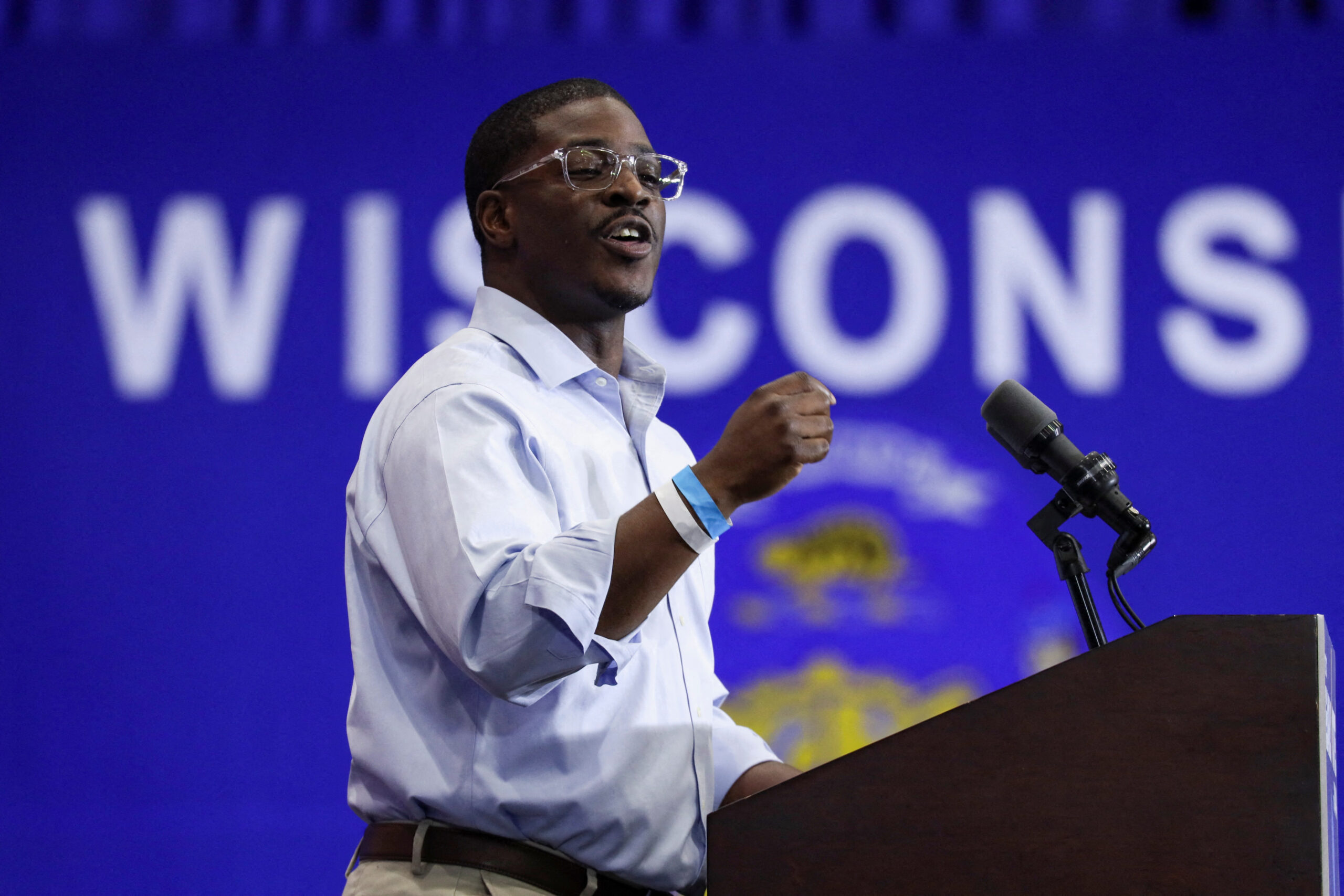
Mike Koolidge, filling in for Dan Proft on Chicago’s Morning Answer, spoke with Liberty Vittert Capito, professor of the practice of data science at Washington University in St. Louis, about why polling was so far off in recent Democratic primaries in Michigan and Wisconsin, and about the broader pattern of polling misses stretching back to 2016.
Vittert Capito said pollsters have repeatedly struggled to reach or accurately capture what she called ordinary voters who quietly reject more extreme candidates without saying so publicly. She pointed to two dynamics driving the errors: some voters simply decline to share their preference or claim to be undecided when they have already made up their mind, while others are not being reached by pollsters at all. She said research suggests pollsters get more accurate answers when they ask respondents who their family or friends plan to support rather than asking directly who they themselves are voting for, a technique she said the polling industry has been slow to adopt.
Koolidge cited specific numbers from the two races to illustrate the scale of the misses. In Wisconsin’s Milwaukee County executive primary, David Crowley trailed opponent Francesca Hong by roughly 22 points in polling before ultimately winning the race. In Michigan’s Senate primary, Abdul El-Sayed led by 13 points in polling but won by only a single point. Vittert Capito said the pattern extends beyond Democratic primaries, pointing to Minnesota, where Mike Lindell was heavily favored in Republican polling before losing by what she described as roughly a 17-point swing from the final pre-election numbers.
Asked whether Republican candidates are systematically underrepresented in polling, citing Donald Trump’s tendency to outperform his polling in three national elections, Vittert Capito said the pattern has more to do with candidates seen as extreme than with party alone. She predicted Mike Rogers would outperform his current four-point lead in Michigan’s general election, arguing that quieter voters uncomfortable with El-Sayed’s candidacy will show up at the polls even if they didn’t register clearly in pre-election surveys.
The conversation closed with a lighter exchange about Vittert Capito’s background, including her time hosting an American cooking show on Scottish television while she was a graduate student, and her family connection to broadcaster Leland Vittert.