




Chris Krok, filling in for Dan Proft on Chicago’s Morning Answer, sat down with Ed Morrissey, managing editor of Hot Air, to unpack a string of recent Democratic primary results and what they signal heading into the midterms. The conversation ranged from Wisconsin’s chaotic gubernatorial primary to a WNBA controversy over the definition of a woman to the Texas Senate race, with Morrissey arguing throughout that the polling industry has lost much of its credibility.
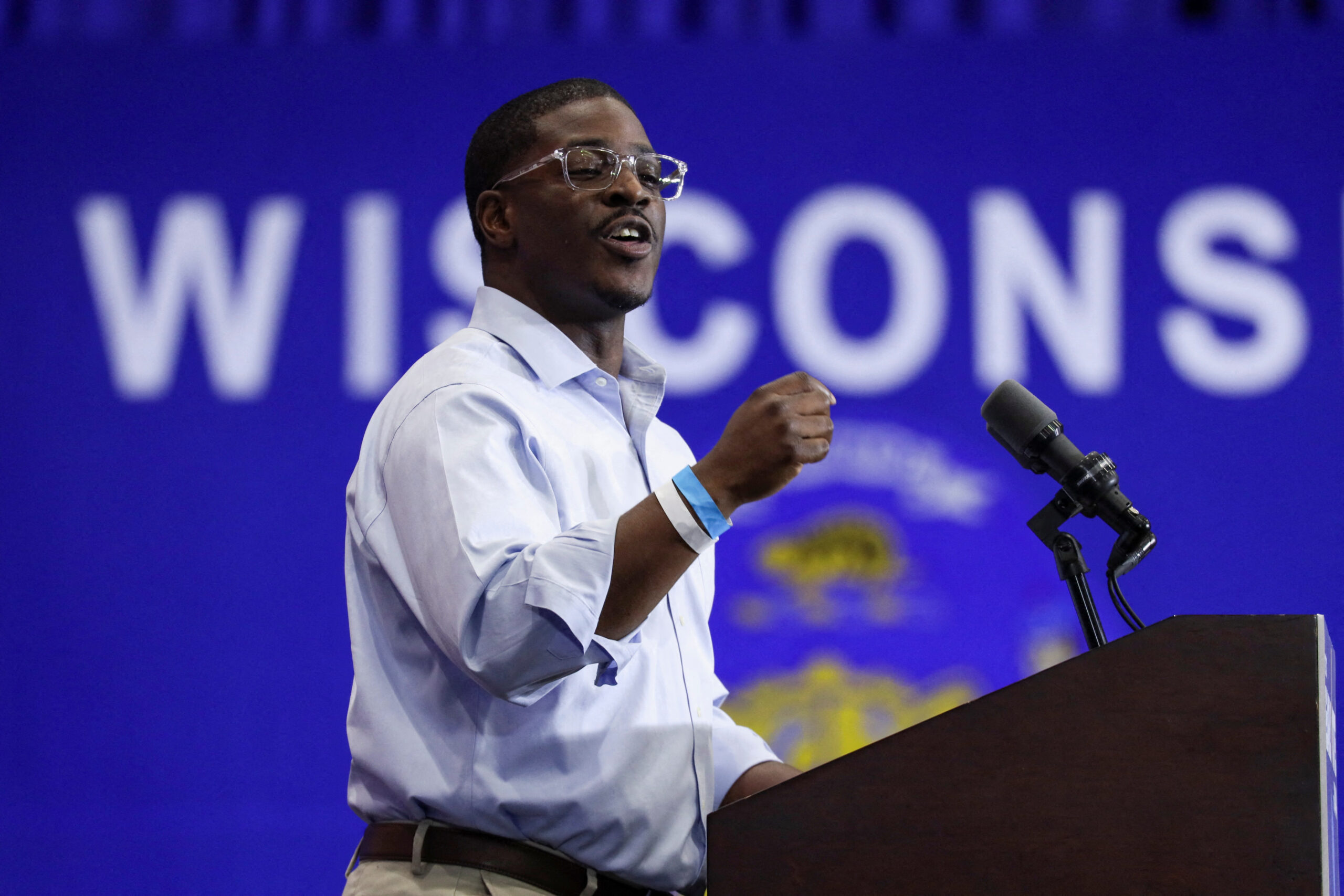
On Wisconsin, Morrissey said the Democratic establishment moved decisively against Diamond Hong after opposition researcher Peter Hamby reportedly obtained a 340-page file on her, convincing party leaders that Republicans were preparing to make her the face of the midterms. That fear, he said, pushed Democrats toward David Crowley, a weaker campaigner whose own bid had collapsed weeks earlier and who has faced scrutiny over past social media posts. Morrissey argued the intervention avoided a larger disaster but still leaves Democrats with a bitter party split, since further-left, DSA-aligned voters may be unmotivated to turn out after watching the establishment override their preferred candidate. He contrasted that chaos with Republican Tom Tiffany’s smooth path to the nomination, winning 95 percent of the primary vote and entering the general election unified and well-funded, still able to use the Hong opposition research against Crowley and the party as a whole.
Morrissey drew a parallel to Michigan, where he said Republican-aligned spending helped boost Abdul El-Sayed’s primary campaign against Haley Stevens in hopes of nominating a weaker general-election candidate for Democrats, mirroring the dynamic in Wisconsin. He noted that five separate pollsters had shown El-Sayed leading by 10 points or more shortly after a third candidate dropped out, a result Morrissey called statistically implausible in hindsight and evidence, in his view, of skewed polling rather than a genuine shift in the race.
Asked whether polling can still be trusted, Morrissey said he no longer relies on horse-race electoral polling and increasingly treats it as a formality rather than a predictive tool, adding that issue-based polling holds up somewhat better. He pointed to a recent Fox News poll on the Michigan Senate race, where Mike Rogers led Elissa Slotkin’s Democratic rival by a modest single-digit margin on the topline number, but underlying demographic breakdowns, including a wide gender gap and notable support among Black voters, suggested a larger advantage than the headline figure implied.
Turning to the WNBA, Morrissey discussed his recent column on the league’s reluctance to define who qualifies as a woman, a debate he said has been forced into the open by prospective draft entrants pressing the league on the issue, drawing attention to its unwillingness to affirm that competition is restricted to biological women. He said the league’s caution stems from its dual role of growing interest in the NBA and courting the LGBT community, making an explicit definition politically fraught. He also pointed to Caitlin Clark’s rise in popularity and the physical treatment she has received on the court as evidence of internal tension within the league between mainstream commercial success and a narrower activist base.
On Texas, Morrissey predicted that Democratic Senate candidate James Talarico will not come close to unseating incumbent Ken Paxton, arguing that Talarico lacks the enthusiasm among Black voters and financial momentum needed to break the state’s three-decade streak of Democratic losses in statewide races. He noted that past Democratic candidates, including Colin Allred and Beto O’Rourke, lost by wider margins than public polling suggested, and said he sees no evidence Talarico is on track to outperform them.