




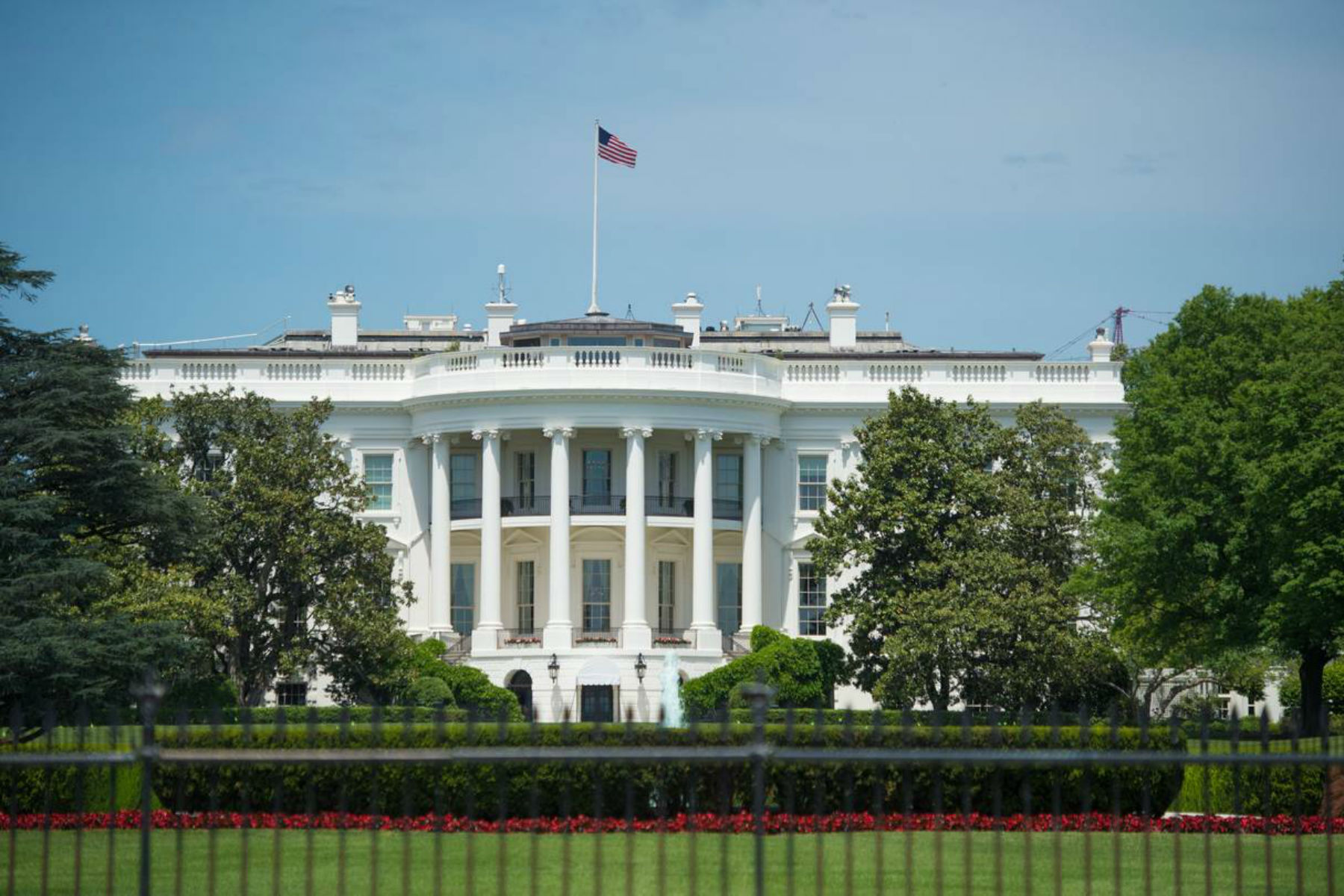
A man known to the Secret Service who had previously been involuntarily committed for mental health issues and arrested for unlawful entry while attempting to breach White House security opened fire outside a Secret Service checkpoint Saturday night, getting off three shots before being shot and killed by agents. One bystander was injured. The shooter had been observed pacing erratically on the sidewalk before drawing a revolver, meaning he did not emerge from nowhere and immediately fire.
Mike Olson, retired Secret Service agent and co-founder of 360 Security Services, joined Dan Proft on Chicago’s Morning Answer to assess what the incident reveals about the intersection of the criminal justice system, Secret Service threat management, and the broader security environment the current administration is operating in.
Olson said the primary failure illustrated by the incident is not Secret Service’s performance in the moment but the criminal justice system’s failure to remove a known and repeatedly demonstrated threat from the environment entirely. He said this is a pattern he saw throughout his career, where individuals who clearly exhibited warning signs and a pathway toward violence would cycle through law enforcement contacts without being held accountable or removed from society. He said prosecution entities have the discretion to decline cases and juries have the right to acquit, but the cumulative effect of those individual decisions is that a known threat who had already tried to breach White House security on multiple occasions was still free to show up with a revolver. He recalled a personal experience during his Secret Service career involving an individual who tried to breach security at the White House Correspondents Dinner, was involved in a physical altercation, went to trial, and was found not guilty by a Washington DC jury.
He agreed with Proft that Secret Service Director Sean Curran should be more proactively communicating about the threat environment, both to create public awareness and to call out the failures of law enforcement partners who allow known threats to remain at large. He said the current moment is unlike anything he experienced in more than twenty years with the Secret Service, not because individual threats are necessarily more sophisticated but because the broader social context has shifted toward acceptance of political violence in ways that generate a higher volume of people who are motivated to act and further along the pathway when they are identified. He said the same individuals who threaten members of Congress or governors often overlap with those targeting the president, giving the entire political class a vested interest in more aggressive threat management and behavioral assessment programs.
On training and competency, Olson acknowledged that recent incidents have been embarrassing to former agents. Former House Oversight Committee Chairman Jason Chaffetz noted after the White House Correspondents Association Dinner shooting that most rank and file agents outside specialized units receive an average of thirty minutes of training per year, and questioned the director’s assertion that the dinner’s security setup had been perfect by asking what would have happened if twelve armed attackers had rushed the checkpoint rather than one. Olson said he is a firm advocate for the principle that you can never do enough training, and that leaders who are not constantly pressing for more training resources are doing a disservice to their organizations and the people they protect. He said this principle applies beyond the Secret Service to any organization facing potential workplace violence or security challenges.
On the broader competency and vetting questions raised by a series of high-profile incidents, including the agent who allegedly missed the elevated shooter position at Butler and has remained on the job through multiple disciplinary actions, an agent arrested for public indecency in Miami, and another who accidentally discharged his weapon, Olson said the problem reflects something that has spread across government as a whole over the past decade or more. He said there is an unwillingness to hold people accountable, to maintain transparent standards, and to enforce consequences when those standards are violated. He said when organizations prioritize filling staffing numbers over maintaining standards, everything downstream degrades, and transparency becomes a problem because the organization then has something to hide.
The recruitment crisis compounding all of this, he said, is the most significant structural problem facing not just the Secret Service but law enforcement broadly. In the post-George Floyd era, with organized anti-police sentiment, the threat of prosecution for mistakes made in the field, and the risk of being doxxed and targeted on social media, large numbers of people who would previously have been attracted to law enforcement careers are choosing not to pursue them. When agencies are short on qualified candidates and desperate to fill positions, the temptation to cut corners in vetting and lower standards in training becomes significant, and the results become visible in incidents that would not have occurred in a more disciplined environment. He said the chaos at the attempted blockade of an ICE detention facility in New Jersey over the weekend, with elected officials including Senator Andy Kim present among the demonstrators, is an example of the kind of environment that makes recruitment harder and makes the job less attractive to the qualified candidates agencies most need.