




On April 15, as Americans rushed to meet the tax filing deadline, tax policy took center stage during a segment on Chicago’s Morning Answer, where economist Stephen Moore joined host Dan Proft to discuss the impact of recent federal tax changes and ongoing political debates over taxation.
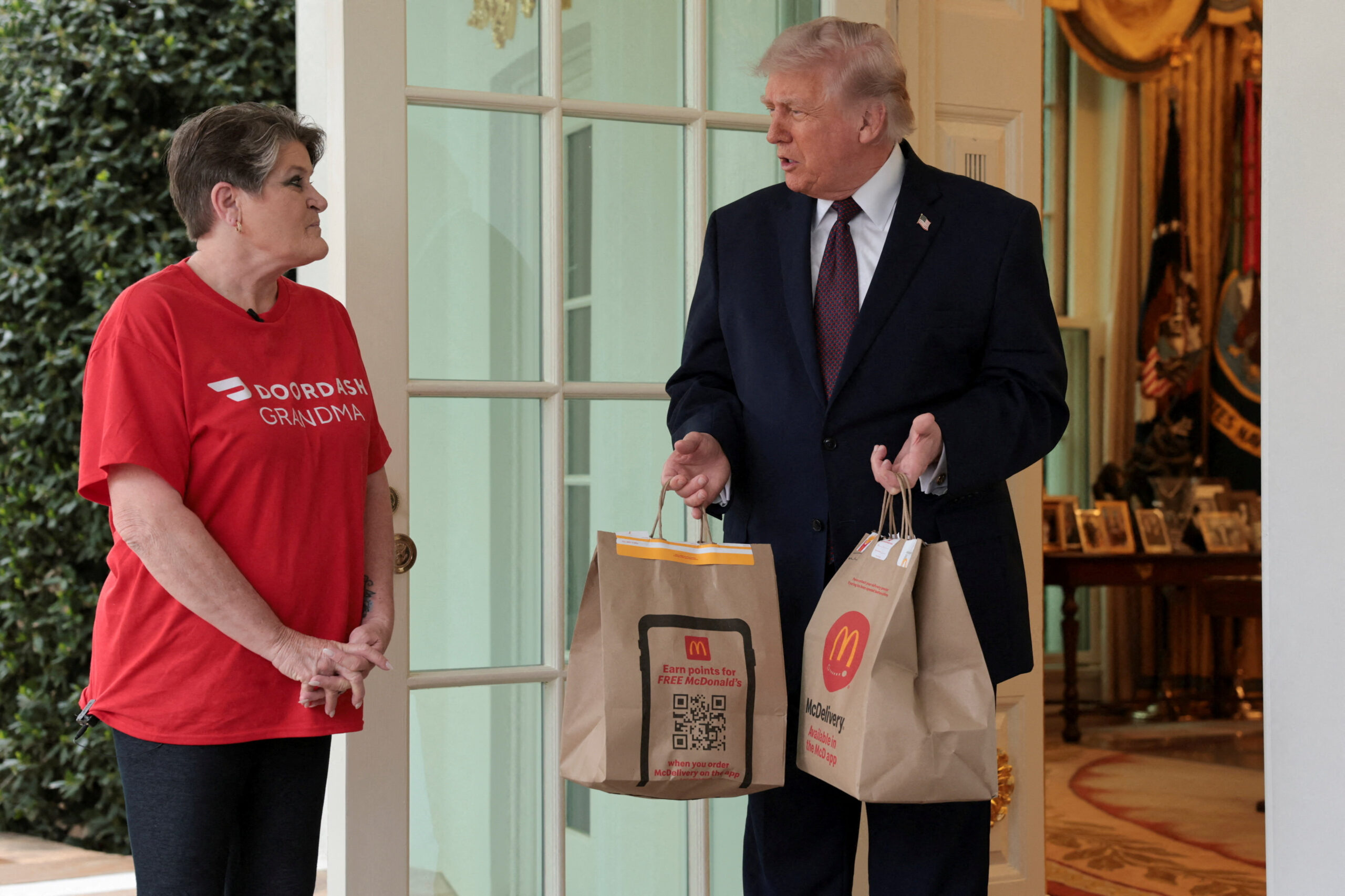
The conversation opened with a story highlighted by supporters of the administration’s tax policies: an Arkansas grandmother and DoorDash driver who reportedly saw significant financial relief under provisions tied to what has been dubbed the “big beautiful bill.” The measure includes a policy eliminating taxes on tips, which Moore and Proft suggested could have tangible benefits for service workers. The woman, who had faced financial strain after her husband’s cancer diagnosis, described the savings as meaningful support for ongoing medical expenses.
Moore argued that such examples illustrate a broader trend, estimating that the average American family could see around $2,500 in annual tax savings under current policies. He also pointed to business-focused provisions, particularly immediate expensing, which allows companies to deduct the full cost of investments upfront. According to Moore, this policy is intended to encourage capital investment, which he said is closely tied to wage growth and economic expansion.
At the same time, the discussion turned sharply toward criticism of Democratic-led tax proposals at both the state and federal levels. Moore and Proft focused on Virginia Governor Abigail Spanberger, alleging that her administration has pursued numerous tax increases after campaigning as a moderate. Moore claimed her approval ratings have dropped significantly in recent months, attributing the decline to voter dissatisfaction with new taxes.
The segment also referenced proposals from lawmakers such as Cory Booker and Chris Van Hollen to raise the top marginal tax rate. Moore warned that such increases could return the United States to tax levels not seen since the 1970s, potentially impacting economic competitiveness. He contrasted these proposals with his assertion that higher-income earners already contribute a substantial share of federal income tax revenue.
Beyond taxation, the conversation touched on broader economic conditions, including inflation and energy prices. Moore suggested that geopolitical developments, particularly involving oil supply routes, could significantly influence inflation trends in the coming months. He predicted that a stabilization in global oil markets could lead to lower gasoline prices and reduced inflationary pressure.
The discussion also addressed the size of the federal workforce, with Moore noting a reported reduction in government employment since early 2025. While describing this as a step toward reducing government spending, he acknowledged that overall federal expenditures remain a concern, particularly with proposals for increased defense funding.
Throughout the segment, Moore framed current tax policy as a key factor in addressing affordability concerns, while warning that proposed increases could reverse recent economic gains. The interview concluded on a lighter note with a tax-related joke, but the broader message reflected a continuing divide in Washington over how best to balance tax policy, economic growth, and government spending.