




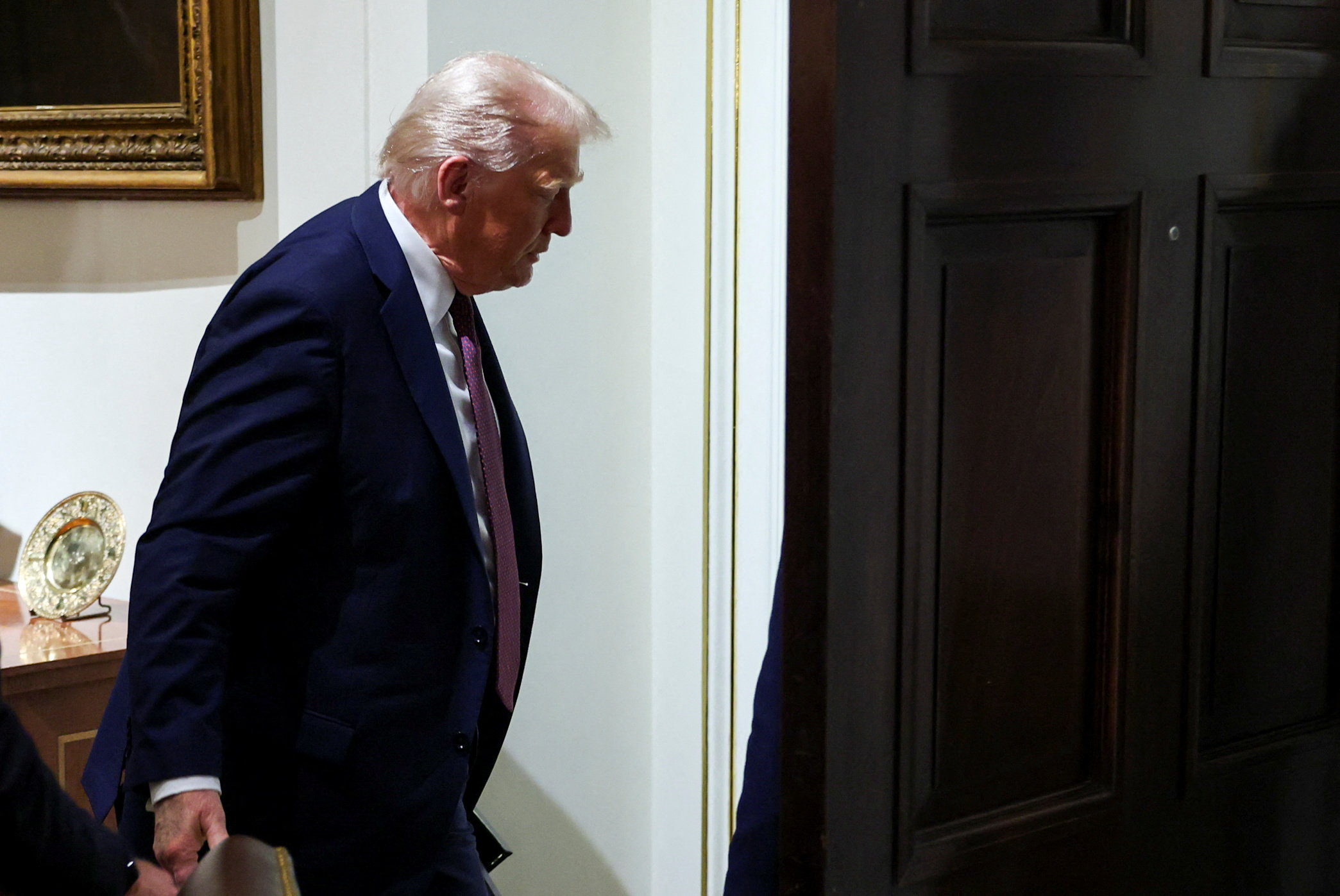
President Trump’s latest moves—including a directive seeking the death penalty for murders committed in Washington, D.C., and an executive order targeting flag burning—have ignited new debate over the limits of executive authority and the role of political strategy in legal enforcement.
On Chicago’s Morning Answer, former federal prosecutor Andy McCarthy argued that while the president’s order on flag burning may grab headlines, it misframes the legal issue. Flag burning itself is constitutionally protected speech under the Supreme Court’s Texas v. Johnson decision. What can be prosecuted, McCarthy explained, is incitement to violence. If a flag burning occurs as part of conduct explicitly designed to provoke imminent violence, it can be used as evidence of incitement—but the act alone cannot be criminalized.
McCarthy suggested the political calculus behind the move may be as important as the legal one, portraying the order as a way to provoke opponents into highly visible protests that reinforce Trump’s message. Still, he noted, the real need in cities like Chicago is not political sparring but the creation of viable alternatives to progressive leadership, pointing out that Republicans squander opportunities when they fail to provide strong candidates against officials such as Mayor Brandon Johnson.
The interview also touched on fresh disclosures about former FBI Director James Comey and his team’s use of personal email accounts while allegedly coordinating leaks tied to the Russia probe. McCarthy said the revelations confirm what many close observers suspected years ago: that elements within the FBI engaged in politically motivated lawfare. But he was skeptical that any criminal charges would result, citing both statute of limitations issues and the broader reality that Congress, not prosecutors, is responsible for accountability when public officials abuse power.
Finally, McCarthy criticized the Justice Department’s raid on former National Security Adviser John Bolton, calling it another example of Trump employing tactics against political adversaries that mirror what was once used against him. He warned that the cycle of retribution risks normalizing the use of legal institutions for political ends—a precedent that could continue under future administrations.
In McCarthy’s view, Americans may crave catharsis in the form of prosecutions, but true accountability requires Congress and voters to prevent those who misuse power from holding office in the first place.