




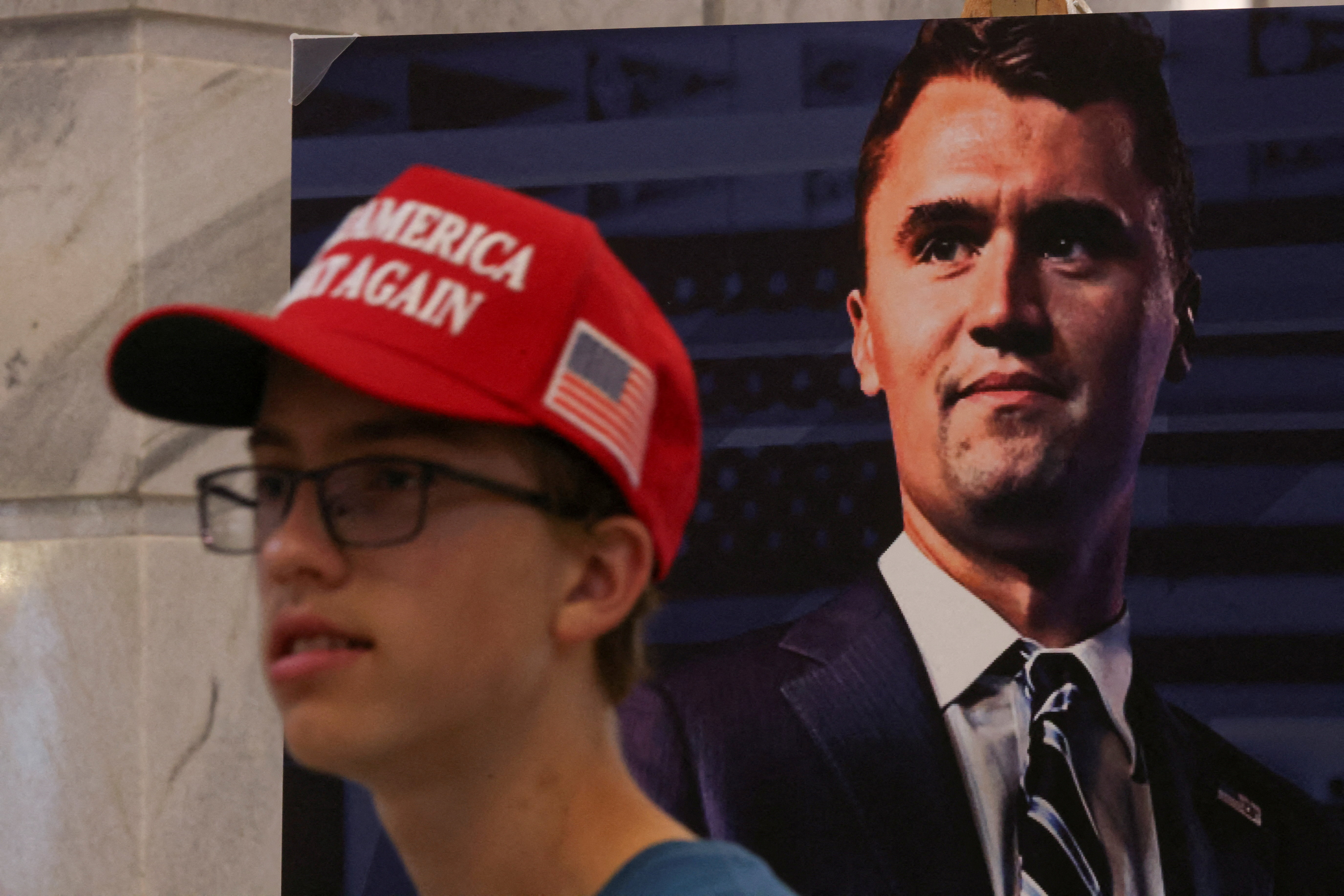
In the aftermath of the shocking assassination of Turning Point USA founder Charlie Kirk at Utah Valley University, questions are mounting about the culture on America’s college campuses and the security lapses that allowed the killing to occur. On Chicago’s Morning Answer, retired FBI agent and security expert James Gagliano joined host Dan Proft to examine both the broader trends and the specifics of the ongoing manhunt.
Dan Proft framed the incident not as an isolated act but as the culmination of years of hostility toward dissenting voices in higher education. He pointed to surveys showing that 15 percent of students believe violence against controversial speakers is justified, while more than half support preventing people from attending campus talks. Incidents ranging from protests that turned violent to administrators themselves being physically accosted have created an environment where ideological conformity is demanded and opposing viewpoints are treated as threats.
Gagliano, drawing on his FBI and Marine Corps background, said the attack was the act of a “murderous nihilist” but also reflected the illiberal culture on many campuses. He noted the irony that universities promote inclusivity and tolerance while suppressing viewpoints they disagree with. Asked about federal involvement, Gagliano explained that political assassinations can fall under federal statutes, but the FBI must walk a fine line between investigating violent threats and preserving free speech rights.
The discussion also turned to security. Gagliano acknowledged Kirk had a private security team, but said that, unlike heads of state, campus events don’t involve sweeping rooftops, drone surveillance, or full-scale screenings. The shot, taken from roughly 500 feet away, could easily have been carried out with a basic hunting rifle, he explained. What troubled him most was that no weapon was recovered, suggesting the killer escaped quickly by vehicle and highway access nearby.
Online chatter has also become part of the investigation. A social media post calling for Kirk to be “evaporated” before his appearance at the university is being scrutinized. Gagliano confirmed such explicit threats must be “run to ground,” with the FBI already likely interviewing the individual behind the account.
The assassination has reignited debate about safety, free expression, and the responsibilities of universities. As Gagliano warned, the cultural climate that treats ideas as existential threats may be fueling a cycle where violent responses to speech are not the exception but the expectation.