




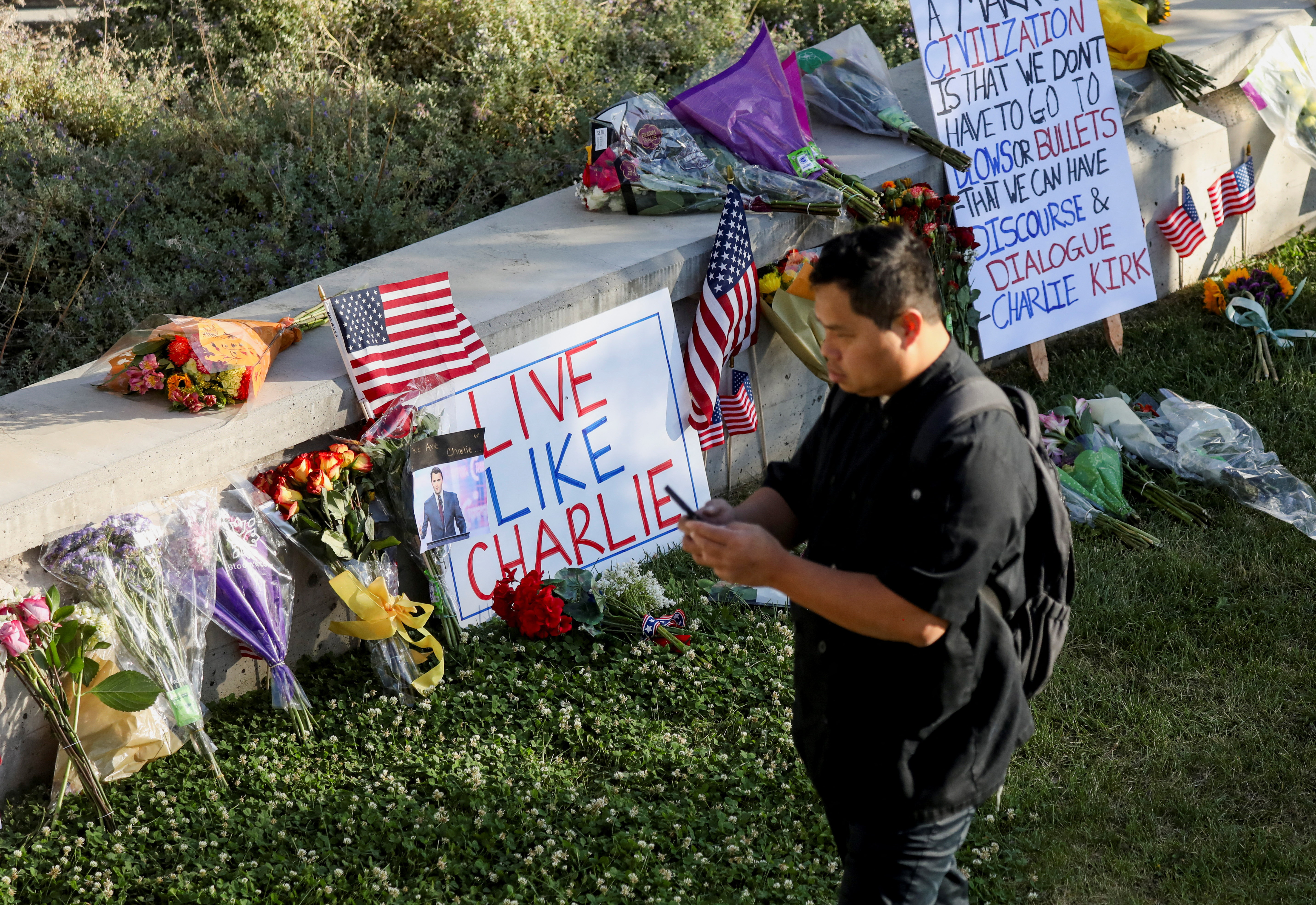
Millions rallied in the United Kingdom this week, protesting government crackdowns on speech in the wake of conservative activist Charlie Kirk’s assassination. On Chicago’s Morning Answer, Dan Proft spoke with Steven Bucci, a former U.S. Army Special Forces officer and Pentagon official, who warned that restrictions on free expression in Europe offer a cautionary tale for the United States.
Bucci pointed to recent cases in Britain, including the arrest of an Irish comedian for social media posts, as evidence that European governments are blurring the line between criminal behavior and political dissent. “They give harsher sentences for speech than for violent crime,” Bucci said, arguing that a culture of censorship is eroding both public trust and basic freedoms. He cautioned that American officials must not stand idle if U.S. citizens are targeted abroad for speech that would be protected under the First Amendment.
The conversation also turned to fears of political violence in the United States. While some commentators have warned that rising tensions could spark authoritarian responses, Bucci dismissed the idea of a “right-wing dictator,” calling it a contradiction in terms. He argued that conservatives have not shown a propensity for widespread violence, despite left-wing claims, and said law enforcement must hold all offenders accountable regardless of ideology.
Bucci further addressed controversies inside the U.S. government, where some Pentagon staff and medical professionals faced job consequences for mocking Kirk’s death online. He said free speech protections do not extend to uniformed personnel or professionals whose posts compromise their duties. “If you identify yourself as a colonel in the Army or a nurse in a hospital, and then cheer someone’s death, that crosses into professional misconduct,” he noted.
On foreign policy, Bucci defended Israel’s decision to target Hamas leaders in Qatar despite criticism from allies, saying Prime Minister Benjamin Netanyahu acted out of necessity. He compared the strikes to America’s own post-9/11 campaign of taking terrorists off the battlefield before they could strike again. “The Israelis know they can’t afford to just stand by,” Bucci explained. “Their survival is at stake.”
While global headlines often frame Israel as “winning battles but losing world opinion,” Bucci said such views miss the reality: “The Palestinians have long won the public-relations war, but Israel is fighting for its existence.” He argued that the United States should take note, remembering how robust intelligence and proactive counterterrorism efforts sharply reduced Islamist terror attacks on American soil in the decade after 9/11.
For Bucci, the common thread between these issues is vigilance. Whether it’s free speech at home, online rhetoric from public officials, or international security threats, he warned that democracies must resist both censorship and complacency.