




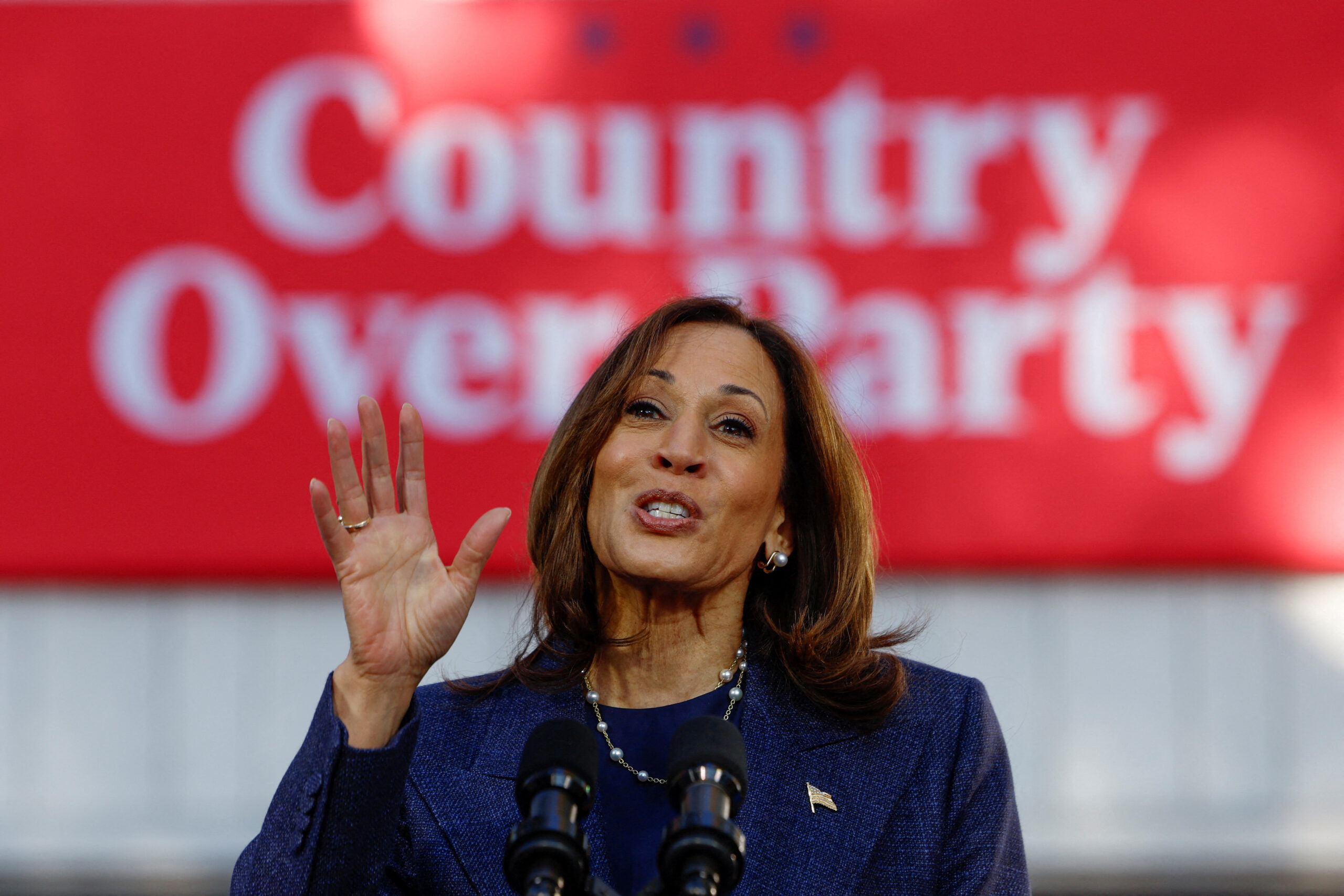
Vice President Kamala Harris is facing renewed scrutiny after excerpts from her new book, 107 Days, revealed her belief that a presidential ticket pairing her with Transportation Secretary Pete Buttigieg would have been “too big of a risk” for voters to accept. Harris wrote that America was already being asked to embrace “a woman, a Black woman, a Black woman married to a Jewish man,” and that adding Buttigieg, who is openly gay, would have been a step too far for the electorate.
On Chicago’s Morning Answer, host Dan Proft called the passage an example of “a lack of self-awareness” and invited Noah Rothman, senior writer at National Review and author of The Rise of the New Puritans, to react. Rothman said Harris’s framing reduces the public to demographic checkboxes rather than individuals, describing it as “barely concealed contempt for the American people.” He noted that the memoir had gone through multiple levels of editorial review before publication, yet no one flagged the language as problematic.
Rothman argued that Harris’s remarks reflect a broader mindset within progressive politics that views voters primarily through the lens of race, gender, and identity, while dismissing policy, merit, or character. He pointed out that Democrats often struggle to connect with the very groups they claim to represent, as cultural and economic divides matter more than demographic traits. “This is a dead end,” Rothman said of the identity-based approach. “They just haven’t recognized it yet.”
The discussion also touched on comments from New York Governor Kathy Hochul, who recently told a largely Black audience not to use state-issued rebate checks at liquor stores. Proft and Rothman said the remark underscored the “infantilization” of constituents, a dynamic they argued is increasingly common among Democratic leaders.
Looking ahead, Rothman noted shifting voter registration patterns. Since the 2024 election, Republicans have cut into Democrats’ long-standing advantage by over a million registered voters across 28 states. While he cautioned against reading too much into early numbers, Rothman suggested that realignment is underway, with cultural and class-based identities replacing traditional racial and demographic blocs in shaping political loyalties.
The conversation highlighted how Harris’s own words may reinforce existing perceptions of detachment and condescension, even as Democrats face growing challenges with voter registration and cultural divides heading into the next election cycle.