




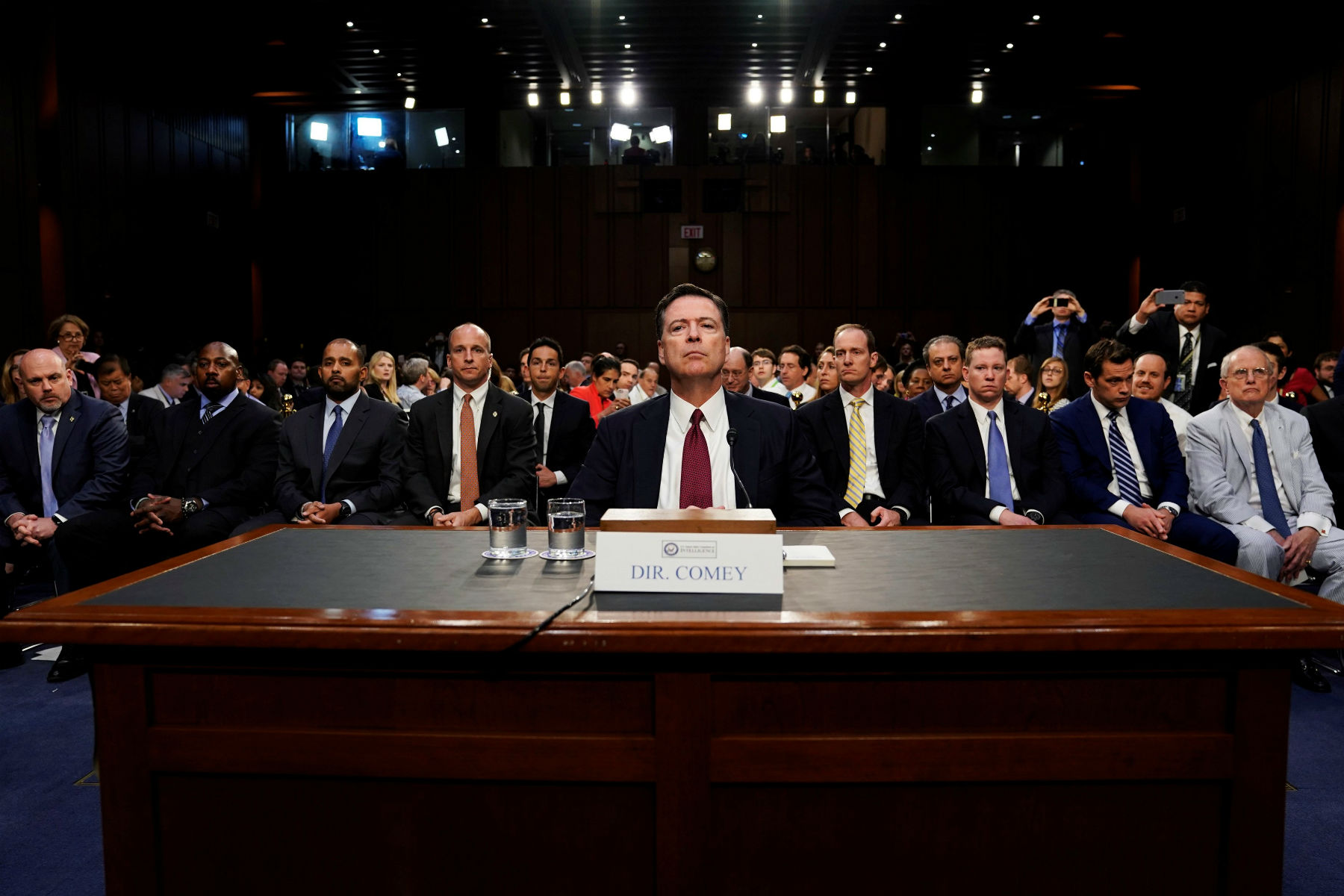
Former FBI Director James Comey is facing federal charges of obstruction of justice and perjury, raising new questions about the politicization of law enforcement and accountability at the highest levels. On Chicago’s Morning Answer, Dan Proft spoke with Richard Epstein, James Parker Hall Distinguished Service Professor of Law and Senior Lecturer at the University of Chicago, to break down the case and its broader implications.
The Indictment and Its Basis
The charges against Comey stem from testimony he gave in 2017 and 2020 regarding whether he authorized FBI officials to serve as anonymous sources in media reports about Trump- and Clinton-related investigations. While Comey denied doing so, later evidence showed Columbia Law professor Daniel Richman admitted to the FBI that he passed information to reporters at Comey’s direction in an effort to shape coverage and push for the appointment of a special prosecutor. Epstein noted that the indictment itself was thin, but the supporting evidence in the public record strengthens the perjury claim.
A Question of Politics and Prosecution
Epstein emphasized the dilemma at the heart of the case: whether credible legal charges should be pursued when they arise out of deeply political conflicts. He warned of a dangerous cycle where prosecutions become tools of political retaliation, echoing concerns from the Trump era about “lawfare.” While the case against Comey could be persuasive, Epstein argued that bringing it may damage the Justice Department’s credibility further, especially after Trump replaced a U.S. attorney reluctant to indict with one more willing.
The Larger Implications for Justice
The professor compared the moment to past controversies involving politically motivated prosecutions, such as those against officials in earlier administrations. He stressed that the Justice Department’s independence has been eroded over time, with both parties increasingly using it as a weapon. Epstein suggested that while Comey may well be guilty of perjury, the collateral consequences of pursuing the case—elevating him as a martyr and further politicizing prosecutions—could outweigh the benefits.
What Comes Next
As Epstein put it, “a plague on both your houses” may be the most fitting description of the situation. The legal merits of the case are substantial, but the optics of political retribution muddy the waters. If the case proceeds and succeeds, it could establish a precedent that senior officials are not immune from prosecution. If it fails or is seen purely as partisan revenge, it may deepen public cynicism about the justice system.
The indictment of a former FBI director underscores just how entangled law, politics, and public trust have become in today’s climate—an entanglement that Epstein suggested may do lasting damage regardless of the trial’s outcome.