




Federal indictments tied to welfare fraud are beginning to emerge after years of warnings, but a former federal prosecutor says the scope of the problem in Minnesota and beyond reflects deep structural weaknesses that long predate the latest investigations. That assessment came during a wide-ranging discussion on Chicago’s Morning Answer, where host Dan Proft spoke with Bill Shipley about recent enforcement actions and what they suggest about accountability at both the state and federal levels.
The conversation followed the announcement of federal charges in Boston against two Haitian nationals accused of running so-called “ghost stores” that allegedly siphoned millions of dollars from the Supplemental Nutrition Assistance Program. According to prosecutors, the stores had little to no inventory yet processed more than half a million dollars a month in EBT transactions, far exceeding the volume of legitimate supermarkets. Proft noted that the case mirrors patterns seen in Minnesota, where fraud allegations involving child care, autism services, assisted living facilities, and other programs have circulated for more than a decade.
Shipley, who spent 22 years as a federal prosecutor, said the underlying issue is how large-scale social welfare programs are designed and administered. Federal agencies typically distribute funds first and rely on audits and investigations after the fact to uncover abuse, a model that becomes especially vulnerable when multiple layers of bureaucracy and private contractors are involved. In Minnesota, he said, money often flows from federal programs like Medicaid through state agencies and then through several additional intermediaries before reaching service providers, creating ample opportunity for fraud with limited real-time oversight.
Proft cited reporting from local Minnesota outlets dating back to at least 2015, including surveillance footage showing daycare centers billing the state for children who never attended and alleged kickbacks paid to parents. A former county fraud investigator featured in those reports claimed he was pushed out after pressing too aggressively to shut down fraudulent operations. Despite repeated red flags, Shipley said, meaningful enforcement failed to materialize for years.
According to Shipley, the Feeding Our Future scandal during the COVID period finally forced action because the scale of the fraud was too large to ignore. Dozens of defendants were indicted for exploiting a federally funded nutrition program, but Shipley said the Biden Justice Department largely stopped there. He argued that it was only after the change in administrations that investigators began expanding their focus to other Medicaid-funded programs, uncovering cases where the same operators allegedly drew money from multiple streams at once, including millions for services that were never provided.
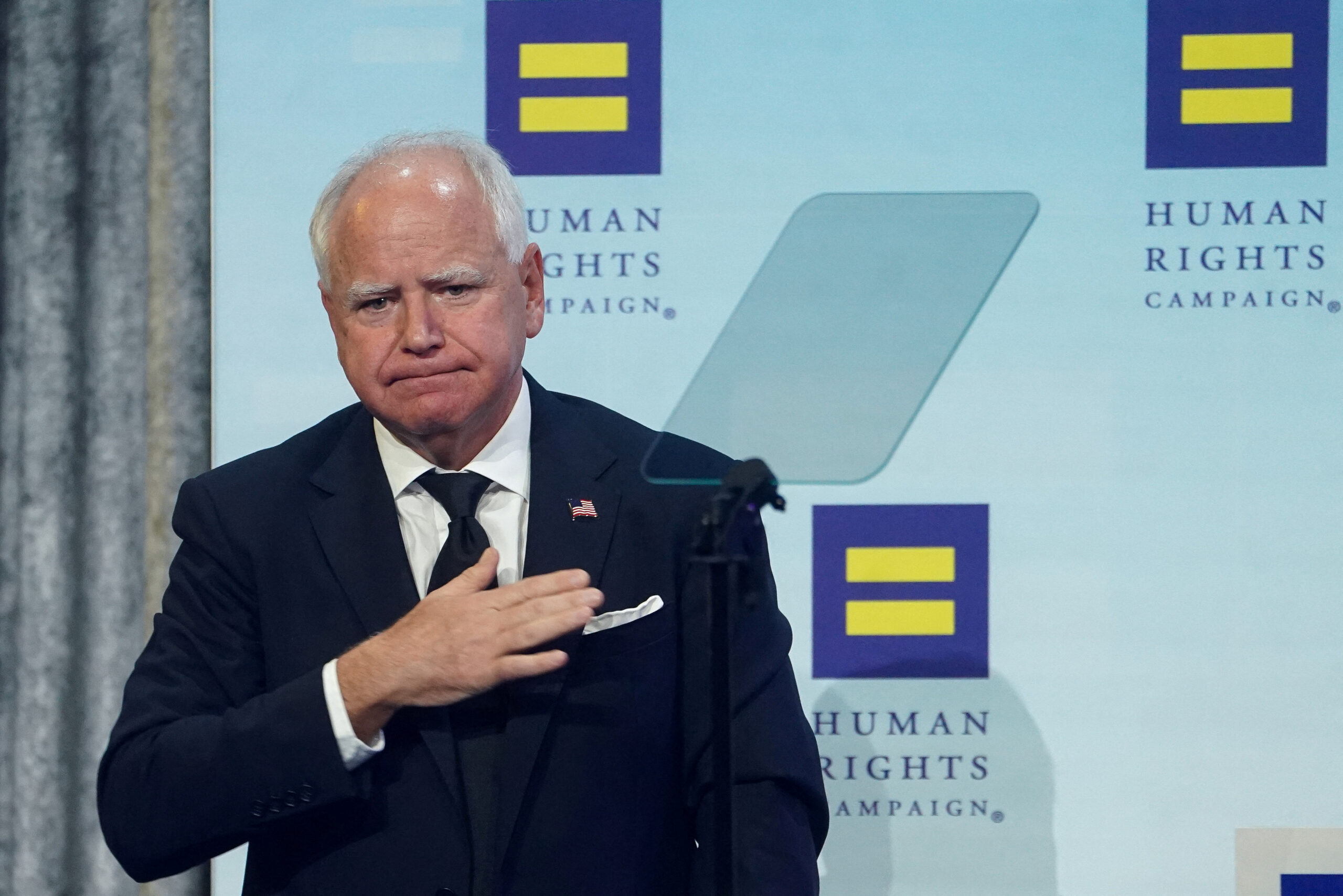
The question of why state officials did not intervene sooner remains contentious. Proft pointed to an open letter from Minnesota Department of Human Services employees accusing the administration of Tim Walz of ignoring or dismissing internal warnings. Shipley said that while such inaction may carry political consequences, criminal liability for elected officials is difficult to establish unless there is evidence they personally benefited or knowingly participated in fraudulent schemes. Turning a blind eye, he noted, is not itself a crime under federal fraud statutes.
Shipley suggested, however, that one area still ripe for scrutiny is campaign finance. In his experience, large fraud cases often involve indirect “reverse pumps,” where illicitly obtained funds find their way back into political campaigns rather than personal bank accounts. He said investigators may now be examining whether any of the money tied to Minnesota’s welfare fraud schemes was recycled into campaign contributions.
Proft argued that political accountability may already be underway, pointing to Walz’s recent decision not to seek reelection as governor. While Shipley agreed that electoral consequences may be the most immediate form of accountability, he said the broader lesson extends well beyond Minnesota. Similar welfare fraud vulnerabilities exist nationwide, limited only by the imagination of those willing to exploit programs built on trust and volume rather than verification.
As new indictments continue to roll out, both men agreed that the unfolding cases may finally force a reckoning with how social welfare programs are structured and monitored. Whether that reckoning leads to lasting reform or remains confined to prosecuting individual fraudsters, Shipley said, will depend on how willing policymakers are to confront the systemic incentives that allowed the abuse to persist for so long.