




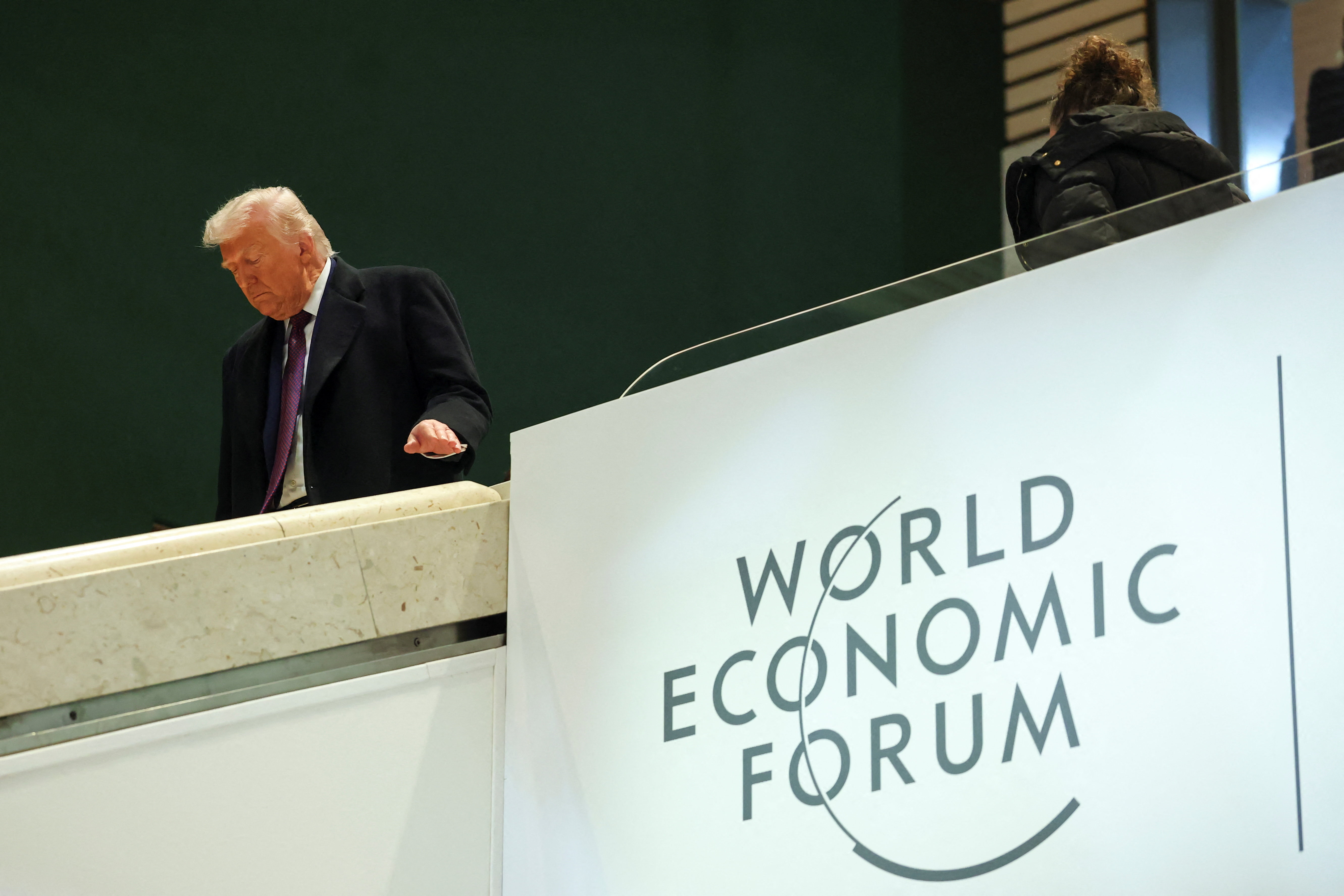
At the World Economic Forum in Davos, President Donald Trump delivered remarks that set off fresh debate about the future of transatlantic relations, economic nationalism, and U.S. immigration enforcement. The speech, which sharply criticized European governance and economic policy, drew widespread attention not only for its substance but for the unusually blunt tone directed at longtime American allies.
The Davos appearance came amid reports of tense side moments involving senior administration officials and climate activists, underscoring the degree to which the forum has become a battleground over globalization, energy policy, and national sovereignty. Commerce Secretary Howard Lutnick was among those publicly defending an “America First” economic approach, while former Vice President Al Gore was cited in accounts of confrontations emblematic of the ideological divide on display.
Discussing the broader implications, Rich Lowry, editor of National Review, said the president’s critique of Europe reflects real economic and demographic challenges facing Western governments. Lowry argued that sluggish growth, expansive welfare states, and aggressive energy transitions have weakened Europe’s competitiveness and left it increasingly dependent on outside powers. He noted that while those problems are widely acknowledged, Trump’s confrontational delivery risks alienating allies who might otherwise be receptive to reform.
Lowry pointed specifically to disputes involving Greenland and Canada as examples where tougher rhetoric may have produced mixed results. While he acknowledged that pressure has pushed NATO members to increase defense spending, he suggested that similar objectives on Arctic security and resource access might have been achieved through quieter diplomacy. In his view, repeated public clashes can harden resistance among allies and complicate shared strategic goals, particularly as the United States seeks to limit the influence of China and Russia in the Western Hemisphere.
The conversation also turned to immigration enforcement, where the administration has expanded operations by U.S. Immigration and Customs Enforcement. Lowry defended the legality of current actions, emphasizing that many of those targeted have criminal convictions or final orders of removal. He argued that enforcement is a statutory obligation rather than a discretionary policy choice and said resistance from sanctuary jurisdictions has created the public confrontations now dominating headlines.
At the same time, Lowry acknowledged political challenges surrounding enforcement imagery and tactics, noting that public opinion can be shaped as much by optics as by outcomes. He said broader accountability, including action against employers who knowingly hire unauthorized workers, could strengthen public support and demonstrate that enforcement is not aimed solely at low-level offenders.
Taken together, the Davos speech and the domestic immigration debate highlight the administration’s willingness to challenge established norms both abroad and at home. Lowry said the underlying policy goals may resonate with many voters, but warned that sustaining support will require balancing pressure with persuasion, especially when dealing with allies whose cooperation remains central to U.S. security and economic interests.