




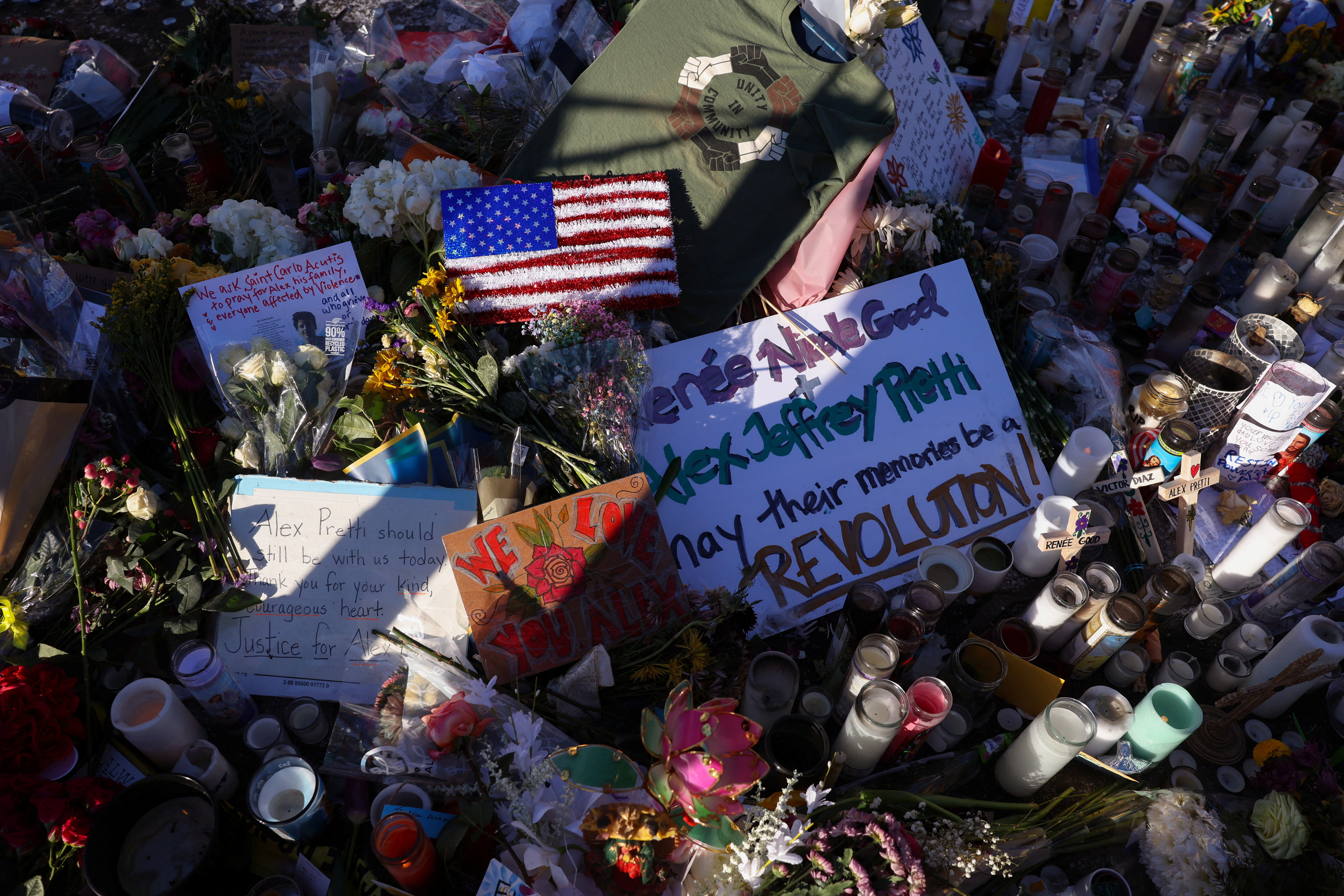
A weekend shooting and escalating confrontations between federal agents and organized protesters in Minneapolis have intensified scrutiny of Minnesota’s political leadership and its relationship with federal law enforcement, according to comments aired during a radio interview between Dan Proft and John Hinderaker, president of the Center of the American Experiment and contributor to Powerline.
The discussion followed the shooting death of Alex Prey during a chaotic encounter involving Immigration and Customs Enforcement operations in Minneapolis. White House Press Secretary Karoline Leavitt said the administration is reviewing the incident while emphasizing that multiple investigations remain ongoing, including internal reviews by federal agencies. She framed the violence as emerging amid what she described as sustained resistance to federal authority by state and local leaders.
National Republicans echoed that view. House Majority Leader Steve Scalise argued that similar federal enforcement efforts have proceeded elsewhere without comparable unrest, attributing the Minneapolis situation to failures by Minnesota’s elected officials. President Donald Trump said he spoke with Governor Tim Walz, characterizing the conversation as productive, though both sides later offered sharply different interpretations of the exchange.
Hinderaker, speaking from Minnesota, described the situation as a coordinated campaign to obstruct federal law enforcement rather than a series of spontaneous protests. He said groups opposing ICE have used organized communications, vehicle blockades, and advance warnings to interfere with arrests, actions that he argued go well beyond peaceful demonstration. According to Hinderaker, this activity has been encouraged by Democratic-Farmer-Labor leaders, including Governor Walz and Minneapolis Mayor Jacob Frey, in pursuit of a jurisdiction where federal immigration law is effectively nullified.
As additional video from the weekend circulated, Proft and Hinderaker cautioned against early narratives labeling the shooting an execution, noting that investigations have not concluded and that body-camera footage from federal officers is expected to be released. They pointed to reports indicating that Prey was actively interfering with law enforcement and resisting arrest when he was shot, a sequence they said complicates claims of an unprovoked killing.
The unrest has also intersected with renewed attention on alleged large-scale fraud in Minnesota’s public programs. Federal officials have cited billions of dollars in suspected Medicaid and welfare fraud tied to the state, an issue Hinderaker said has faded from headlines as street confrontations dominate coverage. He argued that political leaders facing scrutiny over those allegations may benefit from shifting public focus toward clashes with federal authorities.
Proft and Hinderaker also discussed the arrival of former ICE Director Tom Homan to oversee federal operations in Minnesota, suggesting the move signals a harder line from Washington. Hinderaker said he expects continued pressure on state and local officials to cooperate with ICE, as occurs in most other parts of the country.
The interview concluded with commentary on a short-lived Republican gubernatorial bid by a Minnesota attorney who exited the race while criticizing immigration enforcement. Hinderaker characterized the episode as a personal decision rather than a reflection of broader party sentiment, noting the candidate’s past ties to Democratic causes.
As investigations continue into both the shooting and alleged fraud, the conflict in Minnesota has become a flashpoint in the national debate over immigration enforcement, federalism, and the limits of protest, with leaders on all sides bracing for further escalation.