




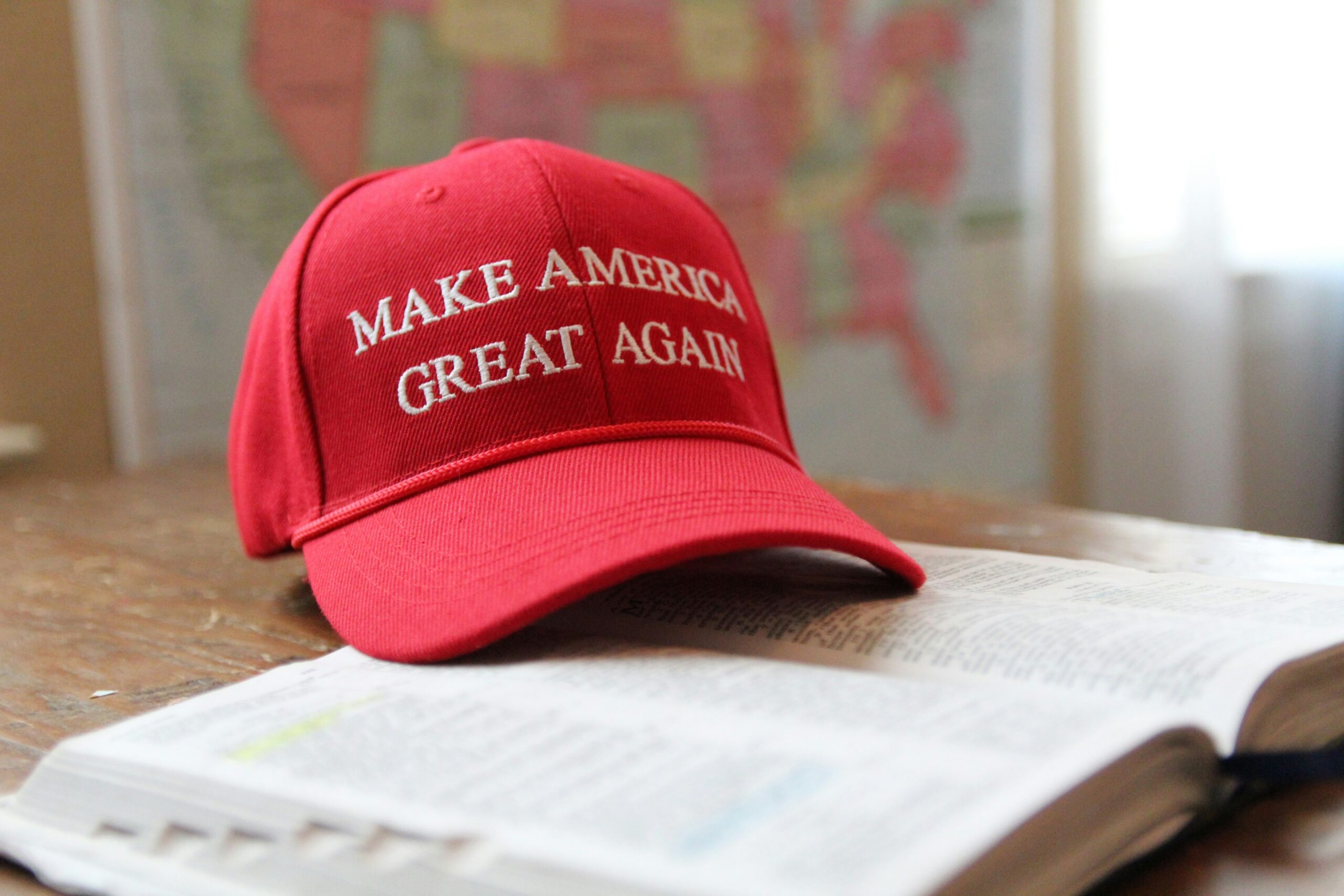
A recent interview on Chicago’s Morning Answer explored an unexpected theory about the rise of Donald Trump: that the roots of his political ascent can be traced not simply to populism or partisan realignment, but to a decades-long evolution in American counterculture.
Matthew Schmitz, founder and editor of Compact Magazine and author of a recent essay in First Things titled “How Hipsters Gave Us Trump,” joined Dan Proft to outline how shifting definitions of cultural rebellion may have reshaped American politics.
At first glance, the idea seems counterintuitive. Counterculture in the American imagination is typically associated with the political left — from the Beat poets to 1960s radicals. Trump, a billionaire businessman turned Republican president, does not fit the stereotype of a rebel against established power. But Schmitz argued that what counts as countercultural has changed dramatically over time.
The original “hipsters,” Schmitz explained, emerged in the 1940s and were associated with Black jazz culture. At a time when Black Americans were legally and socially excluded from mainstream institutions, their outsider status generated a distinct cultural energy. Writers like Norman Mailer, in his essay “The White Negro,” described white intellectuals who sought to emulate that cool, transgressive sensibility.
In mid-20th-century America, aligning with marginalized Black culture signaled rebellion against a dominant social order rooted in religious conservatism and rigid norms. But as civil rights gains reshaped the cultural landscape and elite institutions embraced diversity and progressive social values, the locus of stigma shifted.
By the 1990s and early 2000s, Schmitz argued, countercultural signaling no longer meant rejecting religious conservatism. Instead, it increasingly meant resisting what some viewed as a new orthodoxy centered on political correctness, diversity mandates, and institutional liberalism.
Schmitz pointed to figures like Jim Goad, author of The Redneck Manifesto, who embraced working-class Southern and rural identity as a badge of defiance against what he saw as an emerging cultural consensus. Rather than imitating urban Black culture, some self-described hipsters adopted the aesthetic markers of rural white America — trucker hats, flannel shirts, work boots — as a form of ironic distance from elite liberal norms.
Pop culture reflected similar themes. Schmitz cited Fight Club, the 1999 film starring Edward Norton and Brad Pitt, as emblematic of a strain of hyper-masculine rebellion against consumerist conformity and corporate life. The film’s critique of IKEA-furnished sameness and its exaggerated embrace of male aggression resonated with a generation that felt constrained by new cultural expectations around sensitivity and inclusivity.
This shift in aesthetic and symbolic rebellion, Schmitz argued, created fertile ground for Trump’s political persona. By 2016, the Republican Party had recently nominated figures like Mitt Romney, who emphasized managerial competence and decorum. Trump, by contrast, reveled in bluntness, confrontation, and a willingness to violate elite sensibilities.
Schmitz suggested that Trump’s brash style tapped into the same anti-authoritarian impulse that had animated earlier countercultural movements — but directed against a different target. Rather than rebelling against religious conservatism, Trump’s appeal lay in defying media institutions, academic elites, and the language of political correctness.
The irony, Schmitz noted, is that some artists once embraced by liberal cultural institutions displayed similar instincts. He pointed to photographer Andres Serrano, whose controversial work Piss Christ in the 1980s was celebrated as transgressive art. Decades later, Serrano reportedly expressed skepticism toward establishment outrage over Trump’s rhetoric, reflecting a broader discomfort among some cultural rebels with what they perceived as sanctimony from elite circles.
The broader argument is not that hipsters consciously created Trumpism, but that evolving definitions of cultural dissent changed who could credibly claim the mantle of rebellion. As elite institutions moved leftward on social and cultural issues, the space for oppositional energy shifted.
In that environment, Trump’s refusal to apologize, his rhetorical combativeness, and his disregard for institutional decorum positioned him as a countercultural figure in the eyes of supporters who felt alienated from mainstream cultural power.
Whether that dynamic endures remains an open question. But as Schmitz framed it, understanding Trump’s rise requires more than electoral math. It also requires tracing how America’s idea of “cool” — and who gets to embody it — has evolved over the last 80 years.